 EN
EN

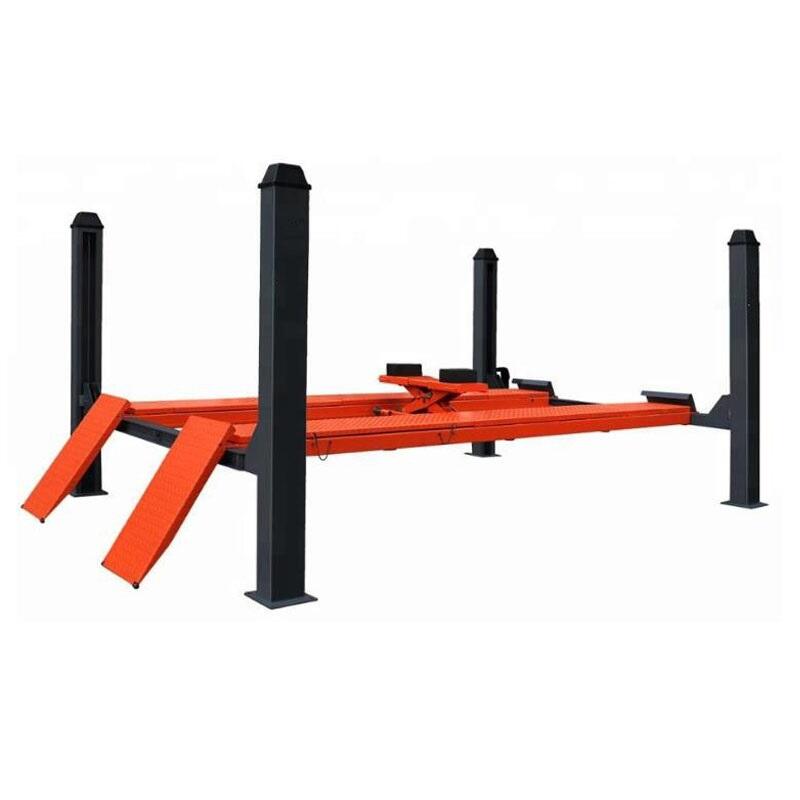
Modern automotive service facilities and parking structures rely heavily on advanced lifting equipment to maximize space utilization and operational efficiency. The four post parking lift has emerged as one of the most reliable and versatile solutions for both commercial garages and residential applications. These hydraulic systems provide exceptional stability and safety features that make them indispensable for vehicle storage, maintenance, and parking operations across various industries.
Safety remains the paramount concern when selecting and operating any automotive lifting equipment. Professional technicians and facility managers must understand the critical safety mechanisms that protect both personnel and vehicles during lifting operations. The integration of multiple safety systems ensures reliable performance while minimizing operational risks and maintaining compliance with industry standards.
Primary Safety Mechanisms in Four Post Systems
Hydraulic Safety Locks
The hydraulic safety lock system represents the foundation of secure lifting operations in professional four post configurations. These mechanical devices automatically engage at predetermined height intervals, creating multiple fail-safe positions throughout the lifting cycle. The locks utilize spring-loaded mechanisms that activate independently of the primary hydraulic system, ensuring vehicle security even during power failures or hydraulic pressure loss.
Advanced hydraulic safety locks incorporate precision-machined steel components designed to withstand forces significantly exceeding normal operational loads. The engagement mechanism responds within milliseconds of detecting pressure anomalies, preventing rapid descent and protecting both equipment and personnel. Regular inspection and maintenance of these safety locks ensure consistent performance and extend overall system reliability.
Professional installations require safety locks that meet or exceed industry load ratings, typically incorporating safety factors of three to five times the maximum lifting capacity. The positioning of multiple locks along the lift columns provides redundant protection, ensuring that failure of any single component cannot compromise overall system safety.
Emergency Stop Systems
Comprehensive emergency stop functionality allows immediate cessation of all lifting operations through strategically positioned control buttons and switches. These systems integrate with the primary electrical controls to interrupt power flow and engage hydraulic pressure release mechanisms when activated. The emergency stop network typically includes multiple activation points accessible from various positions around the lift structure.
Modern emergency stop systems feature fail-safe electrical circuits that automatically engage safety protocols when detecting abnormal operating conditions. The integration of these systems with hydraulic safety locks creates a comprehensive protection network that responds to both manual activation and automatic detection of hazardous situations. Regular testing of emergency stop functionality ensures reliable operation during critical situations.
Professional-grade emergency systems include visual and audible warning indicators that alert personnel to activated emergency conditions. The reset procedures require deliberate action to restore normal operations, preventing accidental resumption of lifting activities before safety conditions are verified and confirmed by qualified operators.
Structural Safety Features and Load Distribution
Column Synchronization Systems
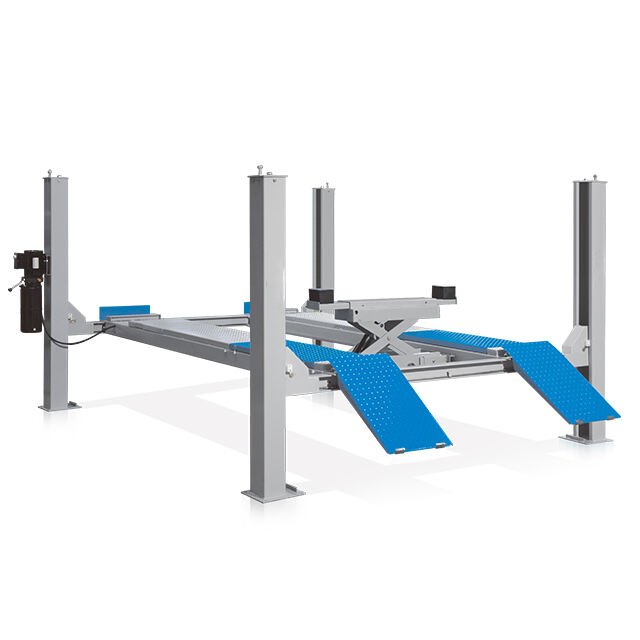
Precise column synchronization ensures uniform lifting motion and prevents dangerous tilting or binding that could compromise vehicle stability. Advanced synchronization systems utilize hydraulic or mechanical linkages that coordinate movement between all four lifting columns, maintaining level platform orientation throughout the entire lifting cycle. This coordination prevents uneven loading that could stress vehicle suspension components or create instability.
Electronic monitoring systems continuously track column position and movement rates, automatically adjusting hydraulic flow to maintain synchronization within tight tolerances. These systems detect and correct minor variations before they develop into significant alignment issues that could affect safety or operational performance. The monitoring capability provides real-time feedback to operators and maintenance personnel.
Mechanical synchronization mechanisms provide backup coordination even when electronic systems experience malfunctions or power interruptions. The combination of electronic and mechanical synchronization creates redundant protection against column misalignment while ensuring smooth, controlled lifting operations under all operating conditions.
Load Rating and Capacity Management
Proper load rating ensures that four post parking lift systems operate within safe parameters while accommodating various vehicle types and configurations. Capacity management systems monitor applied loads and prevent operation when weight limits are exceeded, protecting both equipment and personnel from overload conditions. These systems incorporate load cells or pressure sensors that provide accurate weight measurements throughout lifting operations.
Dynamic load monitoring accounts for weight distribution variations and movement during lifting cycles, ensuring that temporary load shifts do not exceed safe operating parameters. The system continuously calculates total load and individual column loads, providing warnings when approaching maximum capacity limits. This monitoring capability prevents dangerous overload conditions that could compromise structural integrity.
Professional installations incorporate visual load indicators and automatic shutdown systems that engage when safe operating limits are approached or exceeded. The integration of capacity management with other safety systems ensures comprehensive protection while maintaining operational flexibility for various vehicle types and loading configurations.
Electrical and Control Safety Integration
Ground Fault Protection
Electrical safety systems protect personnel from shock hazards through comprehensive ground fault detection and circuit protection mechanisms. These systems monitor electrical circuits for current leakage and automatically disconnect power when potentially dangerous conditions are detected. Ground fault circuit interrupters provide rapid response to electrical faults, typically interrupting power within milliseconds of detecting anomalous current flow.
Professional electrical installations include multiple levels of ground fault protection, from individual circuit protection to main panel integration. The electrical system design incorporates proper grounding techniques and bonding methods that ensure effective fault current paths while maintaining operational reliability. Regular testing and inspection of ground fault protection systems ensures consistent performance and compliance with electrical safety standards.
Advanced electrical safety systems integrate with lift control circuits to provide coordinated protection for both personnel and equipment. The combination of electrical safety devices with mechanical safety systems creates comprehensive protection against multiple hazard types while maintaining operational efficiency and reliability.
Control Circuit Redundancy
Redundant control circuits ensure continued safe operation even when individual components experience failures or malfunctions. These systems incorporate backup control pathways and fail-safe logic that maintains essential safety functions during component failures. The redundancy extends to critical safety systems including emergency stops, hydraulic controls, and position monitoring capabilities.
Professional control systems utilize programmable logic controllers or dedicated safety modules that provide reliable operation and diagnostic capabilities. These systems continuously monitor control circuit integrity and provide alerts when maintenance or repairs are required. The diagnostic capability enables proactive maintenance that prevents failures and ensures consistent safety performance.
Backup control systems automatically engage when primary circuits experience malfunctions, ensuring that essential safety functions remain operational during maintenance or repair activities. The seamless transition between primary and backup systems maintains operational capability while protecting personnel and equipment from hazardous conditions.
Maintenance and Inspection Safety Protocols
Scheduled Safety Inspections
Regular safety inspections ensure that all protective systems maintain optimal performance and compliance with manufacturer specifications and industry standards. Professional inspection protocols include detailed examination of hydraulic components, electrical systems, structural elements, and safety devices. These inspections identify potential issues before they develop into safety hazards or operational problems.
Comprehensive inspection procedures include functional testing of all safety systems, including emergency stops, hydraulic locks, and load monitoring capabilities. The testing verifies proper operation under various conditions and identifies any degradation in performance or reliability. Documentation of inspection results provides valuable maintenance history and compliance records.
Professional maintenance programs incorporate both routine inspections and detailed annual examinations that assess overall system condition and safety performance. The combination of regular monitoring and comprehensive evaluations ensures early detection of potential problems while maintaining optimal safety and operational performance throughout the equipment lifecycle.
Preventive Maintenance Safety
Preventive maintenance activities require specific safety protocols to protect maintenance personnel while ensuring continued system reliability and safety performance. These protocols include proper lockout and tagout procedures, confined space safety measures, and appropriate personal protective equipment requirements. The safety procedures account for the unique hazards associated with hydraulic systems and elevated work platforms.
Maintenance safety protocols include specific procedures for hydraulic system servicing, electrical work, and structural inspections. These procedures ensure that maintenance activities do not create additional hazards while maintaining the integrity of existing safety systems. Training requirements ensure that maintenance personnel understand both general safety principles and equipment-specific hazards.
Professional maintenance programs integrate safety management with technical procedures to ensure comprehensive protection during all maintenance activities. The coordination of safety protocols with maintenance scheduling ensures that protective measures are properly implemented while maintaining operational efficiency and equipment reliability.
FAQ
What are the most critical safety features in a four post parking lift system
The most critical safety features include hydraulic safety locks that automatically engage at multiple height positions, emergency stop systems accessible from various locations around the lift, column synchronization mechanisms that ensure level lifting, and load monitoring systems that prevent overload conditions. These features work together to provide comprehensive protection for both personnel and vehicles during lifting operations.
How often should safety systems be inspected and tested
Safety systems should undergo daily visual inspections before use, weekly functional testing of emergency stops and safety locks, monthly comprehensive system checks, and annual detailed inspections by qualified technicians. The frequency may need to increase based on usage intensity, environmental conditions, and manufacturer recommendations. Documentation of all inspections ensures compliance with safety standards and provides maintenance history for optimal system performance.
What happens if the hydraulic system fails during operation
Modern four post systems incorporate multiple fail-safe mechanisms including automatic safety lock engagement, pressure relief valves, and mechanical backup systems that prevent rapid descent during hydraulic failures. Emergency stop systems immediately halt all operations while hydraulic locks secure the platform at the current position. These redundant safety systems ensure that hydraulic failure does not create dangerous conditions for personnel or vehicles.
Are there specific training requirements for operating four post parking lift systems
Operators require comprehensive training covering safety procedures, proper loading techniques, emergency response protocols, and routine inspection requirements. Training should include both classroom instruction and hands-on operation under supervision, with periodic refresher training to maintain competency. Many jurisdictions require certification or licensing for lift operators, and insurance requirements may mandate specific training documentation and competency verification.