 EN
EN

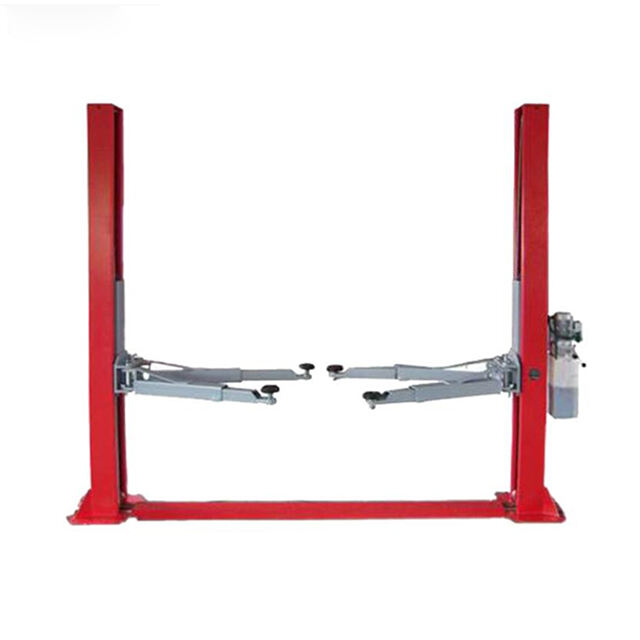
Automotive enthusiasts and professional mechanics face a common challenge when working on vehicles: accessing the undercarriage safely and efficiently. Traditional methods like floor jacks and ramps have limitations that can compromise both safety and productivity. This is where a 2 post car lift becomes an invaluable solution, transforming any garage into a professional-grade workspace. Understanding the benefits, applications, and considerations surrounding these hydraulic lifting systems can help determine whether this investment aligns with your automotive needs and workspace requirements.
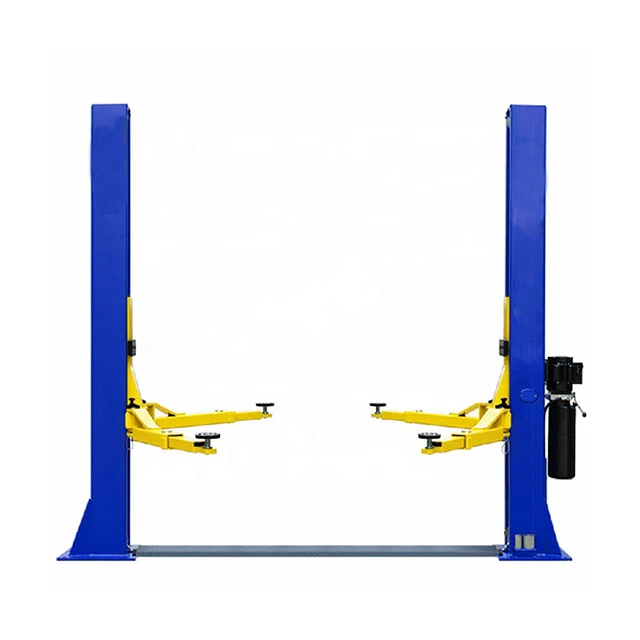
Understanding Two Post Lift Technology
Hydraulic Lifting Mechanisms
The foundation of any 2 post car lift lies in its sophisticated hydraulic system, which utilizes pressurized fluid to generate tremendous lifting force. These systems typically employ electric motors to drive hydraulic pumps, creating pressure that extends telescoping cylinders within each post. The mechanical advantage achieved through hydraulic multiplication allows operators to lift vehicles weighing several thousand pounds with minimal effort. Modern hydraulic systems incorporate safety valves and pressure regulators to ensure consistent performance while preventing over-pressurization that could damage equipment or compromise safety.
Advanced hydraulic circuits feature bypass valves that enable controlled lowering speeds, preventing sudden drops that could endanger technicians working beneath elevated vehicles. These safety mechanisms work in conjunction with mechanical locks that engage automatically at predetermined heights, providing redundant protection against hydraulic failure. The integration of these technologies creates a reliable platform for automotive maintenance and repair operations.
Structural Engineering Considerations
The structural design of a 2 post car lift requires careful engineering to distribute vehicle weight effectively across the lifting points. Posts must be constructed from high-strength steel alloys capable of withstanding both vertical loads and lateral forces generated during lifting operations. The positioning of lift arms and adapters plays a crucial role in maintaining vehicle stability while providing access to critical service areas. Manufacturers conduct extensive testing to determine optimal arm configurations that accommodate various vehicle types without compromising structural integrity.
Foundation requirements represent another critical aspect of lift installation, as inadequate concrete support can lead to post movement or settling over time. Professional installation typically requires reinforced concrete foundations with specific depth and reinforcement specifications. The interaction between foundation stability and post alignment directly impacts lifting performance and long-term reliability of the system.
Safety Features and Regulations
Built-in Safety Systems
Modern 2 post car lift designs incorporate multiple safety features designed to protect operators and prevent accidents during routine use. Automatic safety locks engage at regular intervals during the lifting process, providing mechanical support that remains effective even in the event of hydraulic system failure. These locks typically utilize spring-loaded mechanisms that engage automatically and require deliberate action to release, preventing accidental lowering while technicians work beneath vehicles.
Load monitoring systems provide real-time feedback about weight distribution and lifting capacity, alerting operators when vehicles approach maximum safe limits. Visual indicators and audible alarms help maintain awareness of system status throughout the lifting process. Emergency stop mechanisms allow immediate cessation of lift operations when safety concerns arise, while manual lowering capabilities ensure vehicles can be safely returned to ground level during power outages or equipment malfunctions.
Compliance Standards
Automotive lifting equipment must meet stringent safety standards established by organizations such as the Automotive Lift Institute and Occupational Safety and Health Administration. These regulations cover everything from structural design requirements to operational procedures and maintenance protocols. Compliance certification ensures that 2 post car lift systems have undergone rigorous testing to verify their ability to safely handle specified load capacities under various operating conditions.
Regular inspection and maintenance requirements form an integral part of safety compliance, with documented procedures for checking hydraulic fluid levels, testing safety mechanisms, and verifying structural integrity. Professional training programs help operators understand proper lifting procedures and safety protocols, reducing the risk of accidents caused by improper use or maintenance neglect.
Applications and Use Cases
Professional Automotive Service
Commercial automotive repair facilities rely heavily on 2 post car lift systems to maximize efficiency and productivity in their service operations. These lifts enable technicians to access vehicle undersides comfortably, eliminating the physical strain associated with working beneath vehicles supported by floor jacks. The improved access facilitates faster diagnosis and repair of suspension components, exhaust systems, and drivetrain elements, directly impacting shop productivity and customer satisfaction.
Quick-service operations such as oil change facilities particularly benefit from the speed and convenience offered by hydraulic lifts. The ability to elevate vehicles rapidly allows service technicians to perform routine maintenance tasks efficiently while maintaining high throughput rates. Professional installations often feature multiple lift bays that enable simultaneous service of several vehicles, maximizing facility utilization and revenue potential.
Home Garage Applications
Serious automotive enthusiasts increasingly recognize the value of installing 2 post car lift systems in residential garages, transforming home workshops into professional-grade facilities. These installations enable hobbyists to perform complex maintenance and modification projects that would otherwise require professional service or uncomfortable working positions. The convenience of having permanent lifting capability encourages more frequent maintenance, potentially extending vehicle life and reducing long-term ownership costs.
Home installations must consider space constraints and electrical requirements that may differ from commercial applications. Residential garages often require modifications to accommodate the height clearance needed for proper lift operation, while electrical upgrades may be necessary to support the power requirements of hydraulic systems. Despite these considerations, many enthusiasts find that the convenience and capability provided by home lift installations justify the initial investment.
Installation and Space Requirements
Ceiling Height Considerations
Proper installation of a 2 post car lift requires careful evaluation of available ceiling height to ensure adequate clearance for both the lift structure and elevated vehicles. Standard installations typically require minimum ceiling heights of 11 to 12 feet, though low-profile designs may accommodate spaces with reduced headroom. The relationship between lift height and vehicle clearance directly impacts the types of maintenance and repair work that can be performed effectively.
Overhead obstructions such as garage door tracks, light fixtures, or structural elements must be considered during planning phases to avoid conflicts with lift operation. Professional installers conduct detailed site surveys to identify potential clearance issues and recommend modifications when necessary. These evaluations help ensure that completed installations provide maximum utility while maintaining safe operating conditions.
Floor Space and Layout Planning
The footprint required for 2 post car lift installation extends beyond the immediate area occupied by the posts themselves, as operators need adequate space to maneuver vehicles into lifting position. Drive-through configurations require clear approach and exit paths that accommodate the longest vehicles intended for use with the system. Side-loading arrangements may reduce space requirements but can complicate vehicle positioning and limit accessibility to certain areas.
Storage considerations play an important role in garage layout planning, as tools, parts, and equipment must be positioned to remain accessible while lifts are in operation. Electrical service locations, compressed air lines, and other utilities should be routed to avoid interference with lift operation while providing convenient access for maintenance activities. Thoughtful layout planning maximizes the functionality of limited garage space while ensuring safe and efficient workflow patterns.
Cost Analysis and Return on Investment
Initial Investment Factors
The total cost of 2 post car lift ownership extends beyond the initial equipment purchase to include installation, electrical modifications, and facility preparation expenses. Professional installation typically represents 20 to 30 percent of total project costs, while concrete work and electrical upgrades can add significant additional expenses depending on existing facility conditions. Quality equipment from reputable manufacturers commands premium pricing but often provides superior reliability and longer service life compared to budget alternatives.
Financing options available through equipment dealers and financial institutions can help spread the initial investment over manageable payment periods, making professional-grade lifting equipment accessible to smaller operations and individual enthusiasts. Extended warranty programs provide additional protection against unexpected repair costs while ensuring continued system performance throughout the coverage period.
Long-term Value Proposition
For commercial operations, the productivity gains achieved through 2 post car lift installation often generate measurable returns on investment within relatively short payback periods. Reduced labor time for routine maintenance tasks, improved technician comfort and safety, and increased service capacity directly contribute to enhanced profitability. The ability to handle a wider range of vehicle types and service procedures can also expand business opportunities and customer base.
Home users typically evaluate return on investment in terms of convenience, safety improvements, and potential savings on professional service costs. The ability to perform maintenance and repairs independently reduces dependence on commercial service providers while enabling more frequent preventive maintenance that can extend vehicle life. These benefits, combined with the satisfaction of having professional-grade equipment, often justify the investment for serious automotive enthusiasts.
Maintenance and Longevity
Preventive Maintenance Requirements
Regular maintenance protocols ensure optimal performance and extend the service life of 2 post car lift systems while maintaining critical safety functions. Hydraulic fluid changes at manufacturer-specified intervals prevent contamination that could damage system components or compromise lifting performance. Filter replacements and seal inspections help identify potential problems before they result in costly repairs or safety hazards.
Mechanical components such as cables, pulleys, and lift arms require periodic lubrication and inspection to detect wear patterns that might indicate alignment problems or excessive loading. Safety lock mechanisms must be tested regularly to verify proper engagement and release functions, while structural connections should be examined for signs of loosening or fatigue. Documentation of maintenance activities helps establish service histories that can be valuable for warranty claims and resale purposes.
Common Issues and Solutions
Hydraulic system problems represent the most common maintenance issues encountered with 2 post car lift installations, often manifesting as slow lifting speeds, uneven operation between posts, or fluid leaks. These symptoms typically indicate contaminated hydraulic fluid, worn seals, or air contamination within the system. Prompt attention to hydraulic issues prevents more extensive damage and maintains safe operating conditions.
Electrical problems can affect lift operation through motor failures, control system malfunctions, or wiring deterioration. Regular inspection of electrical connections and protective devices helps identify potential problems before they cause system failures. Professional service technicians possess specialized knowledge and diagnostic equipment necessary to troubleshoot complex issues efficiently while maintaining warranty coverage and safety compliance.
FAQ
What vehicle types can be lifted with a 2 post car lift
Most 2 post car lift systems accommodate passenger vehicles, light trucks, and SUVs within their rated capacity limits, typically ranging from 7,000 to 12,000 pounds. Adjustable arm configurations allow adaptation to various wheelbases and lifting point locations, while specialized adapters can accommodate unique vehicle designs. However, extremely wide vehicles, those with unusual body configurations, or vehicles exceeding weight capacity cannot be safely lifted using standard two-post systems.
How much space is needed for proper installation
Minimum installation requirements typically include 11-12 feet of ceiling height, adequate floor space for post positioning and vehicle maneuvering, and sufficient foundation depth for secure mounting. The specific footprint varies with lift model and vehicle types, but most installations require approximately 12-14 feet of width and 20-24 feet of length for optimal operation. Professional site evaluation helps determine exact requirements based on intended use and facility constraints.
What maintenance is required to keep the system operating safely
Regular maintenance includes hydraulic fluid changes, safety mechanism testing, structural inspections, and electrical system checks according to manufacturer schedules. Daily visual inspections before use help identify obvious problems, while monthly detailed examinations verify proper operation of all safety features. Annual professional inspections often satisfy insurance requirements while ensuring continued compliance with safety regulations and optimal system performance.
Can a 2 post car lift be installed in a residential garage
Yes, many homeowners successfully install 2 post car lift systems in residential garages, though installations require adequate ceiling height, proper concrete foundations, and appropriate electrical service. Local building codes may require permits and inspections, while homeowner association restrictions could limit installation options. Professional consultation helps evaluate feasibility and ensure compliance with all applicable requirements for safe home installation.