 EN
EN
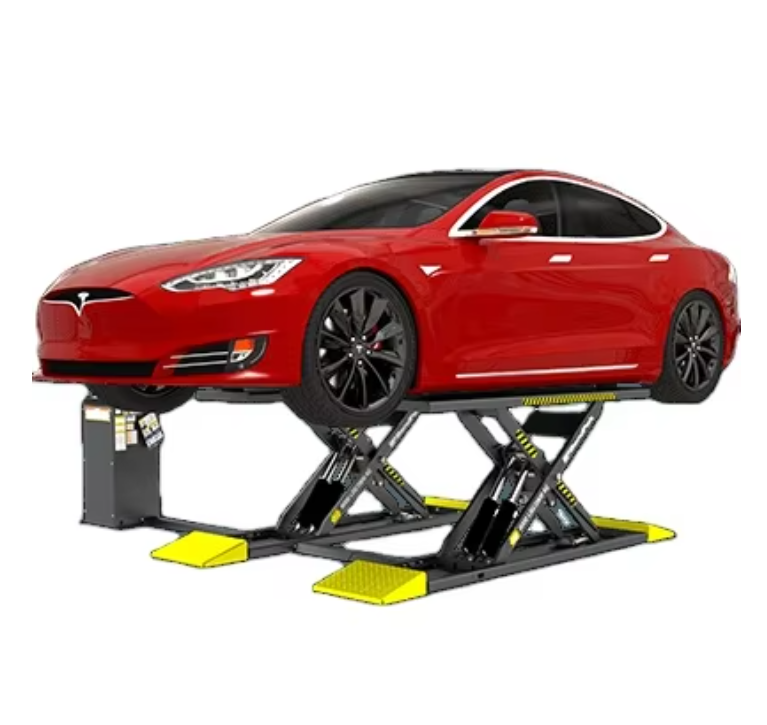
Modern automotive workshops are experiencing a technological revolution that's transforming how mechanics approach vehicle servicing and repair. The evolution of hydraulic lift for car systems has become central to this transformation, offering unprecedented safety, efficiency, and versatility. Today's workshop owners recognize that investing in advanced lifting technology isn't just about upgrading equipment—it's about future-proofing their business and meeting the demands of increasingly sophisticated vehicle designs.
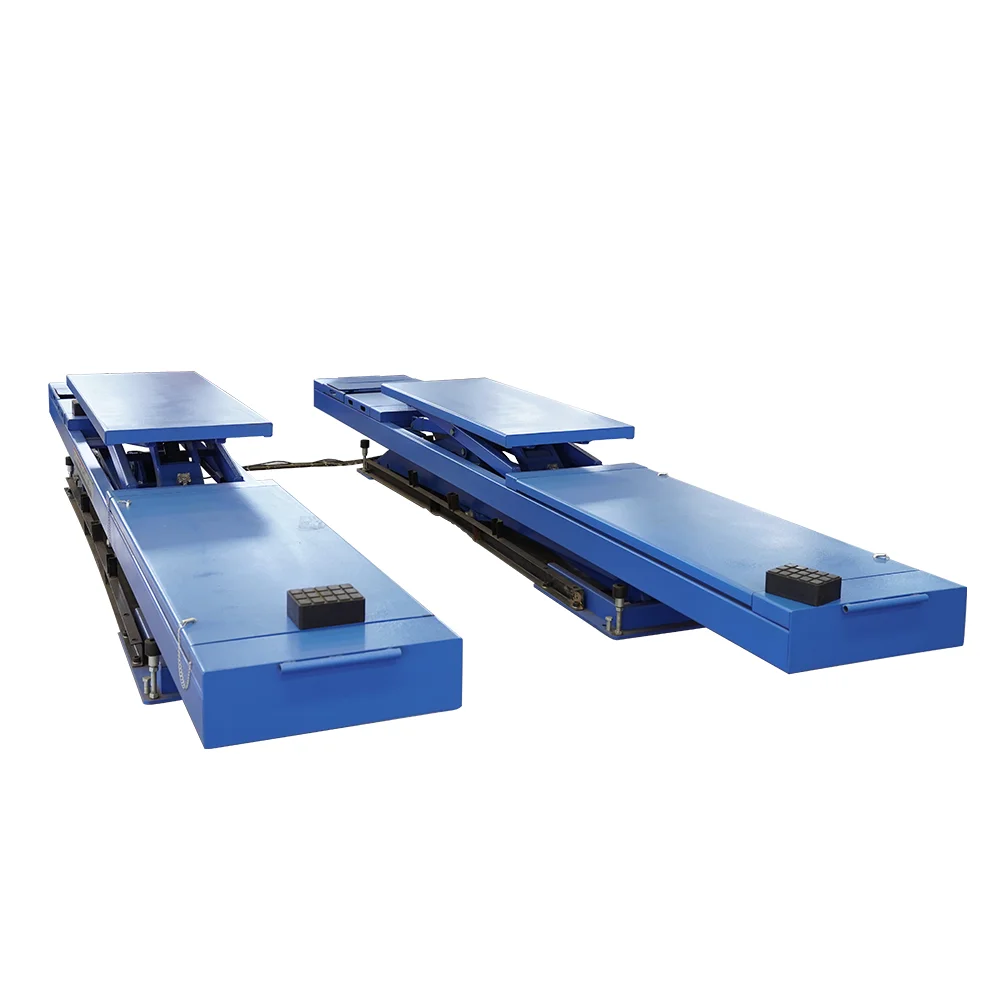
The automotive service industry has witnessed remarkable advancements in lifting technology over the past decade. From basic mechanical systems to sophisticated computer-controlled platforms, the journey has been marked by continuous innovation. These developments have been driven by the need to accommodate heavier electric vehicles, improve workplace safety standards, and enhance operational efficiency in busy workshop environments.
Workshop owners today face unique challenges that previous generations of mechanics never encountered. Electric vehicles require specialized handling procedures, modern cars feature complex undercarriage components that demand precise positioning, and safety regulations have become increasingly stringent. These factors have collectively pushed manufacturers to develop more advanced, reliable, and user-friendly lifting solutions that meet contemporary workshop requirements.
Advanced Hydraulic Systems and Their Benefits
Precision Control Mechanisms
Contemporary hydraulic lift systems incorporate advanced control mechanisms that provide mechanics with unprecedented precision during vehicle positioning. These systems feature electronic controls that allow for millimeter-accurate adjustments, ensuring optimal access to specific vehicle components. The integration of servo-controlled valves and pressure sensors creates a responsive lifting experience that adapts to varying load weights and distribution patterns automatically.
Modern hydraulic systems also incorporate intelligent load sensing technology that automatically adjusts lifting speed and force based on the vehicle's weight and center of gravity. This advancement significantly reduces the risk of equipment damage and ensures consistent performance across different vehicle types. The sophisticated control systems can detect imbalances and make real-time corrections, providing a safer working environment for technicians.
The precision offered by these advanced systems extends beyond basic lifting operations. Many contemporary units feature programmable height settings that can be customized for specific vehicle models or repair procedures. This capability allows workshops to establish standardized protocols for common services, reducing setup time and improving overall productivity.
Enhanced Safety Features
Safety innovations in modern car lifting technology have revolutionized workshop operations by implementing multiple redundant safety systems. Advanced units feature dual-circuit hydraulic systems that maintain lifting capability even if one circuit experiences failure. Emergency lowering systems ensure vehicles can be safely returned to ground level during power outages or equipment malfunctions, protecting both personnel and valuable automotive assets.
Contemporary lifting systems incorporate sophisticated sensors that monitor structural integrity continuously during operation. These sensors detect abnormal vibrations, load shifts, or mechanical stress that could indicate potential failures. When anomalies are detected, the system automatically engages safety protocols, including immediate lifting cessation and alarm activation, preventing accidents before they occur.
The implementation of wireless safety systems has further enhanced operational security in modern workshops. Remote monitoring capabilities allow supervisors to oversee multiple lifting operations simultaneously, while automated logging systems maintain detailed records of all lifting activities. These features not only improve immediate safety but also provide valuable data for preventive maintenance and regulatory compliance documentation.
Electric and Hybrid Vehicle Compatibility
Specialized Lifting Points
The emergence of electric and hybrid vehicles has necessitated significant innovations in lifting point design and positioning systems. These vehicles often feature reinforced battery compartments and unique structural elements that require precise lifting point placement to avoid damage to expensive components. Modern hydraulic lift for car systems incorporate adjustable lifting arms with extended reach capabilities to accommodate these specialized requirements.
Contemporary lifting systems feature modular lifting pad designs that can be quickly reconfigured for different vehicle architectures. These systems include specialized pads designed specifically for electric vehicle battery protection, ensuring that high-voltage components remain undamaged during lifting operations. The flexibility of these systems allows workshops to service traditional internal combustion engines and modern electric drivetrains with the same equipment.
Advanced positioning systems incorporate vehicle-specific databases that provide technicians with precise lifting point recommendations for thousands of vehicle models. This technology eliminates guesswork and reduces the risk of structural damage during lifting operations. The systems can automatically adjust lifting arm positions based on vehicle identification, streamlining the setup process and improving operational efficiency.
High-Voltage Safety Protocols
Working with electric and hybrid vehicles requires adherence to strict high-voltage safety protocols that have been integrated into modern lifting system designs. Advanced units feature insulated lifting mechanisms and non-conductive materials that provide additional protection when working with energized vehicle systems. These safety features are essential for protecting technicians from electrical hazards while maintaining vehicle integrity during service operations.
Contemporary lifting systems incorporate ground fault protection and electrical isolation monitoring systems that continuously assess the electrical safety of the lifting environment. These systems can detect potential electrical faults and automatically implement protective measures, including lifting system shutdown and technician alert protocols. The integration of these features ensures compliance with evolving safety standards for electric vehicle servicing.
Training integration features in modern lifting systems provide technicians with real-time guidance on proper high-voltage safety procedures. Interactive displays show proper approach techniques, required personal protective equipment, and step-by-step safety protocols specific to the vehicle being serviced. This technology helps ensure consistent adherence to safety standards while reducing the learning curve for technicians transitioning to electric vehicle service work.
Smart Technology Integration
IoT Connectivity and Remote Monitoring
The integration of Internet of Things technology into modern car lifting systems has created opportunities for unprecedented operational oversight and preventive maintenance capabilities. Smart lifting systems can transmit real-time operational data to workshop management systems, providing insights into equipment utilization, performance metrics, and potential maintenance requirements. This connectivity enables proactive equipment management that reduces downtime and extends equipment lifespan.
Remote diagnostic capabilities allow equipment manufacturers to provide immediate technical support and troubleshooting assistance without requiring on-site visits. These systems can identify potential issues before they result in equipment failures, enabling scheduled maintenance that minimizes disruption to workshop operations. The ability to remotely update system software and calibration parameters ensures that lifting equipment remains current with evolving safety standards and operational requirements.
Cloud-based data analytics platforms process information from multiple lifting systems to identify performance trends and optimization opportunities. This aggregated data helps workshop owners make informed decisions about equipment utilization, maintenance scheduling, and capacity planning. The insights generated by these systems contribute to improved operational efficiency and reduced operating costs over the equipment's lifecycle.
Automated Positioning Systems
Automated positioning technology represents one of the most significant advances in modern car lifting systems, eliminating much of the manual adjustment traditionally required for proper vehicle positioning. These systems use laser measurement and computer vision technology to automatically identify optimal lifting points and adjust arm positions accordingly. The automation reduces setup time while improving positioning accuracy and consistency across different operators.
Machine learning algorithms integrated into automated positioning systems continuously improve performance by learning from successful lifting operations and technician feedback. These systems build comprehensive databases of optimal positioning configurations for various vehicle types, enabling increasingly precise automatic adjustments. The learning capability ensures that the system becomes more effective over time, adapting to the specific needs and preferences of individual workshops.
Voice control integration in automated positioning systems allows technicians to make fine adjustments hands-free while maintaining focus on vehicle positioning and safety considerations. This technology is particularly valuable when working alone or in situations where manual control access is limited. The combination of automated positioning and voice control creates a more intuitive and efficient lifting experience that reduces physical strain on technicians.
Energy Efficiency and Environmental Considerations
Power Consumption Optimization
Modern hydraulic car lifting systems incorporate advanced energy management technologies that significantly reduce power consumption compared to traditional models. Variable speed drive systems automatically adjust motor operation to match load requirements, eliminating the energy waste associated with constant-speed operation. These systems can reduce energy consumption by up to forty percent while maintaining full lifting capacity and operational speed.
Regenerative braking technology captures energy during lowering operations and returns it to the electrical system for reuse during subsequent lifting cycles. This innovation not only reduces overall energy consumption but also decreases heat generation within hydraulic systems, extending component lifespan and reducing cooling requirements. The environmental benefits of these systems align with growing sustainability initiatives in the automotive service industry.
Smart power management systems monitor workshop electrical load and automatically adjust lifting system operation to optimize overall energy consumption. During peak demand periods, the systems can defer non-critical operations or adjust operating speeds to reduce electrical load. This intelligent load management helps workshops reduce utility costs while maintaining operational efficiency.
Sustainable Materials and Manufacturing
Contemporary lifting system manufacturers have embraced sustainable materials and manufacturing processes that reduce environmental impact throughout the product lifecycle. Advanced metallurgy techniques produce stronger, lighter components that require fewer raw materials while providing superior performance and durability. The use of recyclable materials in non-critical components supports circular economy principles and reduces waste generation.
Environmentally friendly hydraulic fluids have been developed specifically for modern lifting systems, providing superior performance while reducing environmental impact in case of accidental releases. These biodegradable fluids maintain the high-pressure capabilities required for heavy lifting operations while breaking down naturally if soil or water contamination occurs. The transition to these fluids represents a significant step toward more sustainable workshop operations.
Modular design principles in contemporary lifting systems enable component replacement and upgrading without requiring complete system replacement. This approach extends equipment lifespan and reduces waste generation while allowing workshops to incorporate new technologies as they become available. The modular approach also simplifies maintenance and reduces the inventory of spare parts required for ongoing operations.
Cost-Benefit Analysis for Modern Workshops
Initial Investment Considerations
While advanced car lifting technology requires substantial initial investment, the long-term benefits typically justify the expenditure through improved productivity, reduced labor costs, and enhanced service capabilities. Modern systems often pay for themselves within two to three years through increased throughput and reduced maintenance requirements. Workshop owners must consider not only the purchase price but also installation costs, training requirements, and integration with existing systems when evaluating investment options.
Financing options and leasing programs have made advanced lifting technology more accessible to smaller workshops that might otherwise be unable to afford cutting-edge equipment. These programs often include maintenance packages and upgrade provisions that help workshop owners manage cash flow while accessing the latest technology. The availability of flexible financing has democratized access to advanced lifting technology across the automotive service industry.
The total cost of ownership analysis for modern lifting systems must include energy savings, reduced maintenance costs, and improved operational efficiency. Advanced systems typically require less frequent maintenance and consume less energy than traditional alternatives, resulting in significant cost savings over the equipment's operational lifetime. These ongoing savings often exceed the initial premium paid for advanced features.
Return on Investment Metrics
Productivity improvements from modern car lifting technology typically translate directly into increased revenue through higher vehicle throughput and reduced service times. Advanced positioning systems can reduce setup time by several minutes per vehicle, allowing workshops to service more customers daily. The accumulated time savings across hundreds of vehicles annually represents substantial additional revenue potential for busy workshop operations.
Enhanced safety features in modern lifting systems reduce insurance costs and minimize the risk of costly workplace accidents. Insurance providers often offer premium reductions for workshops that invest in advanced safety equipment, recognizing the reduced liability associated with modern systems. The prevention of even one serious accident can justify the entire investment in advanced lifting technology from a risk management perspective.
Customer satisfaction improvements resulting from faster, more reliable service delivery create opportunities for premium pricing and increased customer retention. Workshops equipped with advanced lifting technology can offer shorter wait times and more precise service delivery, justifying higher labor rates and building stronger customer relationships. The reputation benefits of reliable, professional service delivery contribute significantly to long-term business success.
FAQ
What are the main advantages of modern hydraulic car lifts over traditional models?
Modern hydraulic car lifts offer numerous advantages including enhanced safety features with redundant systems, improved energy efficiency through variable speed controls, and smart technology integration for better monitoring and maintenance. They also provide better compatibility with electric and hybrid vehicles, automated positioning capabilities, and superior precision control for various vehicle types. These advanced features result in increased productivity, reduced operating costs, and improved workplace safety compared to traditional lifting systems.
How do modern car lifts accommodate electric and hybrid vehicles safely?
Contemporary car lifts feature specialized lifting points and insulated components designed specifically for electric and hybrid vehicle requirements. They include high-voltage safety protocols, non-conductive materials, and vehicle-specific positioning databases that ensure proper lifting point placement without damaging battery systems or high-voltage components. Advanced units also incorporate electrical isolation monitoring and ground fault protection systems that continuously assess electrical safety during lifting operations.
What should workshops consider when investing in new car lift technology?
Workshops should evaluate their specific service requirements, available space, and customer vehicle types when selecting new lifting technology. Important considerations include lifting capacity for current and future vehicle weights, compatibility with electric vehicles, integration with existing workshop systems, and available financing options. The total cost of ownership including energy consumption, maintenance requirements, and productivity improvements should be analyzed to determine the best return on investment for the workshop's specific circumstances.
How do smart features in modern car lifts improve workshop operations?
Smart features including IoT connectivity, remote monitoring, and automated positioning systems significantly enhance workshop efficiency and safety. These technologies provide real-time performance data, enable predictive maintenance scheduling, and reduce setup times through automated adjustments. Remote diagnostic capabilities allow for immediate technical support, while machine learning algorithms continuously improve system performance. The integration of these features results in reduced downtime, improved operational consistency, and enhanced overall productivity in modern workshop environments.
Table of Contents
- Advanced Hydraulic Systems and Their Benefits
- Electric and Hybrid Vehicle Compatibility
- Smart Technology Integration
- Energy Efficiency and Environmental Considerations
- Cost-Benefit Analysis for Modern Workshops
-
FAQ
- What are the main advantages of modern hydraulic car lifts over traditional models?
- How do modern car lifts accommodate electric and hybrid vehicles safely?
- What should workshops consider when investing in new car lift technology?
- How do smart features in modern car lifts improve workshop operations?