 EN
EN
Vehicle restoration projects demand precision, patience, and the right equipment to transform classic automobiles into pristine condition. Among the essential tools for any serious restoration workshop, car lifts stand as indispensable equipment that enables comprehensive access to every component of a vehicle. Professional restorers and automotive enthusiasts alike recognize that quality lifting equipment forms the foundation of safe and efficient restoration work, allowing for detailed inspection, repair, and modification of vintage and classic vehicles.
The complexity of modern restoration projects requires specialized equipment that can accommodate vehicles of various sizes, weights, and configurations. From classic muscle cars to vintage European sports cars, each restoration project presents unique challenges that demand reliable lifting solutions. Professional restoration shops understand that investing in high-quality hydraulic lifting systems significantly improves workflow efficiency while ensuring the safety of both technicians and valuable classic automobiles throughout the restoration process.
Essential Benefits of Professional Lifting Equipment in Restoration
Enhanced Accessibility and Precision
Professional car lifts provide unprecedented access to the undercarriage, suspension components, and exhaust systems of classic vehicles. This comprehensive accessibility proves crucial when addressing rust damage, replacing worn components, or performing detailed cleaning and refinishing work. Restoration technicians can position vehicles at optimal working heights, reducing physical strain and enabling more precise work on intricate mechanical systems that define vintage automobile character.
The ability to raise vehicles to comfortable working heights transforms restoration workflows, allowing technicians to perform detailed inspections without compromising their physical well-being. This improved ergonomics translates directly into higher quality workmanship, as technicians can focus on precision rather than struggling with uncomfortable positioning or inadequate access to critical components requiring restoration attention.
Safety Considerations in Classic Vehicle Work
Safety remains paramount when working with valuable classic automobiles, many of which represent irreplaceable pieces of automotive history. Professional hydraulic lifting systems incorporate multiple safety features, including automatic locking mechanisms, redundant hydraulic circuits, and certified weight ratings that ensure secure vehicle positioning throughout extended restoration sessions. These safety features protect both the restoration investment and workshop personnel.
Classic vehicles often present structural challenges due to age-related metal fatigue or previous repair work that may compromise lifting point integrity. Quality lifting equipment accommodates these concerns through adjustable contact points and specialized lifting pads that distribute weight evenly across reinforced chassis areas, preventing damage to vintage sheet metal or frame components during the lifting process.
Types of Hydraulic Lifting Systems for Restoration Work
Two-Post and Four-Post Configurations
Two-post lifts excel in restoration applications requiring complete undercarriage access, making them ideal for suspension rebuilds, exhaust system fabrication, and transmission work. The open design allows technicians to move freely around the vehicle while maintaining clear sightlines to all mechanical components. This configuration proves particularly valuable when performing bodywork that requires access from multiple angles simultaneously.
Four-post lifts offer superior stability for long-term storage and extended restoration projects where vehicles may remain elevated for weeks or months. These systems excel when restoration work involves engine removal, major bodywork, or complete disassembly projects. The enclosed design provides additional support points, making four-post systems ideal for vehicles with compromised structural integrity or those requiring extended elevated positioning.
Scissor Lift Applications
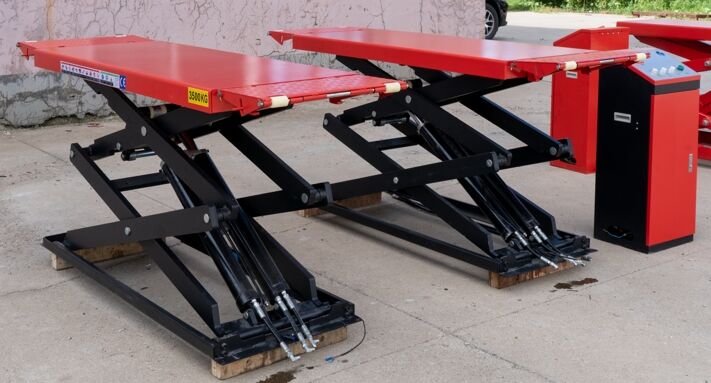
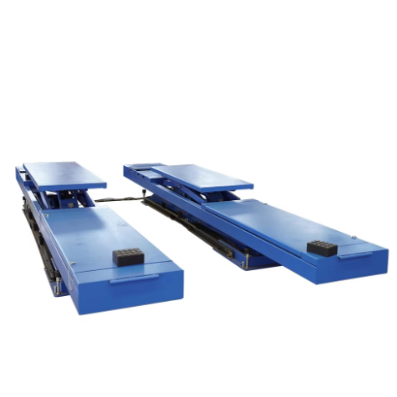
Scissor lifts provide an excellent balance between accessibility and space efficiency in restoration workshops with limited ceiling height. These systems raise vehicles uniformly, maintaining level positioning that proves crucial when performing bodywork, paint preparation, or interior restoration tasks. The compact design allows installation in workshops where overhead clearance restrictions prohibit traditional post-style lifting systems.
The stable platform design of scissor lifts makes them particularly suitable for detail work, upholstery installation, and precision bodywork where vehicle stability is paramount. Many restoration professionals prefer scissor systems when working on high-value classics that require gentle handling and minimal stress on mounting points throughout the restoration process.
Workflow Optimization Through Strategic Equipment Placement
Workshop Layout Considerations
Effective restoration workshop design incorporates lifting equipment strategically positioned to optimize workflow and maximize available space. Professional restoration shops often utilize multiple lifting systems to accommodate different project phases simultaneously, allowing for efficient project scheduling and improved turnaround times. This approach enables workshops to handle multiple restoration projects concurrently without compromising quality or safety standards.
The placement of car lifts must consider factors such as electrical requirements, compressed air access, and adequate drainage systems for fluid changes and cleaning operations. Proper workshop planning ensures that lifting equipment integrates seamlessly with other restoration tools and equipment, creating an efficient environment that supports high-quality restoration work.
Project Phase Integration
Different restoration phases benefit from specific lifting configurations, requiring thoughtful equipment selection based on project requirements. Initial assessment and disassembly phases often require maximum accessibility, favoring two-post systems that provide unrestricted access to all vehicle areas. Subsequent restoration phases, including mechanical rebuilds and bodywork, may benefit from the stability and support offered by four-post or scissor lift configurations.
Professional restoration shops develop standardized procedures for transitioning vehicles between different lifting systems as projects progress through various phases. This systematic approach ensures consistent quality while maximizing equipment utilization and minimizing handling risks associated with moving valuable classic vehicles between work stations throughout the restoration process.
Technical Specifications and Selection Criteria
Weight Capacity and Vehicle Compatibility
Selecting appropriate lifting equipment requires careful consideration of weight capacities and vehicle compatibility factors specific to restoration applications. Classic vehicles span a wide range of weights, from lightweight sports cars to heavy American muscle cars and trucks. Professional restoration shops typically invest in systems with capacity ratings that exceed their heaviest anticipated vehicles by significant safety margins.
Vehicle compatibility extends beyond weight considerations to include wheelbase length, track width, and ground clearance variations common among classic automobiles. Quality lifting systems incorporate adjustable features that accommodate the diverse specifications found in vintage vehicle collections, ensuring safe and secure positioning regardless of specific vehicle characteristics.
Power Requirements and Installation Factors
Professional hydraulic lifting systems require appropriate electrical service and installation considerations that impact workshop planning and operational costs. Three-phase power requirements for larger capacity systems necessitate proper electrical infrastructure, while single-phase options may suffice for smaller restoration operations. Understanding power requirements ensures proper system selection and prevents costly electrical upgrades after equipment purchase.
Installation requirements include adequate concrete foundation specifications, proper anchoring systems, and compliance with local building codes and safety regulations. Professional installation ensures optimal performance and longevity while maintaining warranty coverage and insurance compliance for restoration workshop operations.
Maintenance and Longevity Considerations
Preventive Maintenance Protocols
Regular maintenance protocols ensure reliable operation and extend equipment lifespan, protecting the significant investment restoration shops make in quality lifting systems. Hydraulic fluid monitoring, seal inspection, and mechanical component lubrication form the foundation of effective preventive maintenance programs that prevent costly downtime and equipment failures.
Established maintenance schedules should account for usage frequency and operating conditions specific to restoration environments. Shops working with vehicles requiring extensive undercarriage cleaning may need more frequent seal inspections, while facilities handling primarily mechanical restoration work may focus on hydraulic system maintenance and structural component inspection protocols.
Component Replacement and Upgrades
Quality lifting equipment manufacturers provide comprehensive parts availability and upgrade options that extend system lifespan and adapt to changing restoration requirements. Modular design approaches allow for component replacement without complete system replacement, providing cost-effective solutions for maintaining operational capability as equipment ages and technology advances.
Upgrade options may include enhanced safety features, improved hydraulic efficiency, or expanded capacity ratings that accommodate evolving restoration workshop needs. Understanding available upgrade paths during initial equipment selection ensures long-term value and operational flexibility as restoration businesses grow and diversify their service offerings.
FAQ
What capacity rating should I choose for classic car restoration work
For most classic car restoration applications, a lifting system with a capacity rating between 9,000 and 12,000 pounds provides adequate safety margins for vehicles ranging from lightweight sports cars to heavy American muscle cars. This capacity range accommodates the weight variations common in vintage vehicle collections while providing necessary safety factors for professional restoration work.
How much workshop space do I need for professional lifting equipment
Minimum workshop dimensions depend on the lifting system type and vehicle size requirements. Two-post lifts typically require at least 12 feet of width and 24 feet of length, while four-post systems need approximately 14 feet by 26 feet of floor space. Additional clearance for doors, walkways, and equipment access should be added to these minimum dimensions for safe and efficient operation.
Can I install lifting equipment in an existing garage or workshop
Existing structures can often accommodate professional lifting equipment with appropriate modifications to meet installation requirements. Key considerations include concrete slab thickness and reinforcement, ceiling height clearance, electrical service capacity, and compliance with local building codes. Professional site evaluation determines specific modification requirements and installation feasibility.
What safety certifications should I look for when selecting lifting equipment
Look for lifting systems that meet or exceed industry safety standards such as ANSI/ALI ALCTV certification, which ensures compliance with established safety and performance requirements. CE certification indicates European conformity standards compliance, while additional certifications from recognized testing laboratories provide further assurance of quality and safety in professional restoration applications.