 EN
EN

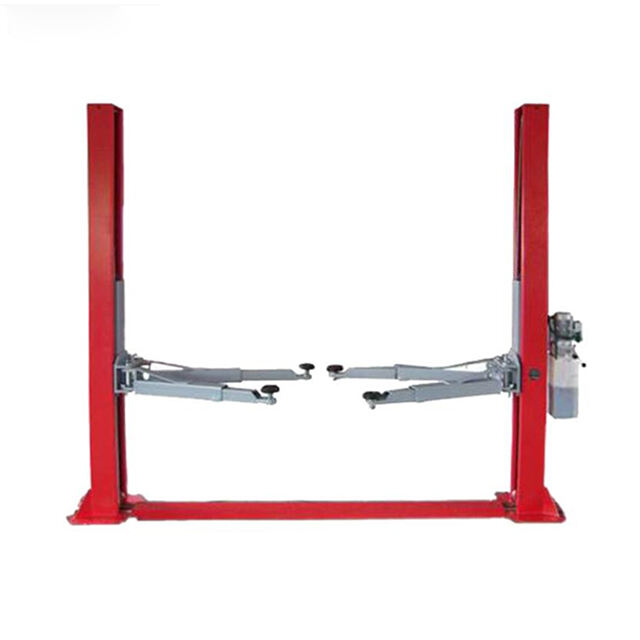
Installing a 2 post car lift requires careful planning, precise measurements, and adherence to safety protocols to ensure optimal performance and longevity. Professional installation of automotive lifting equipment demands attention to detail from foundation preparation through final calibration. The process involves multiple critical phases including site assessment, foundation work, assembly procedures, and comprehensive safety testing. Understanding each step thoroughly before beginning installation helps prevent costly mistakes and ensures compliance with industry safety standards.
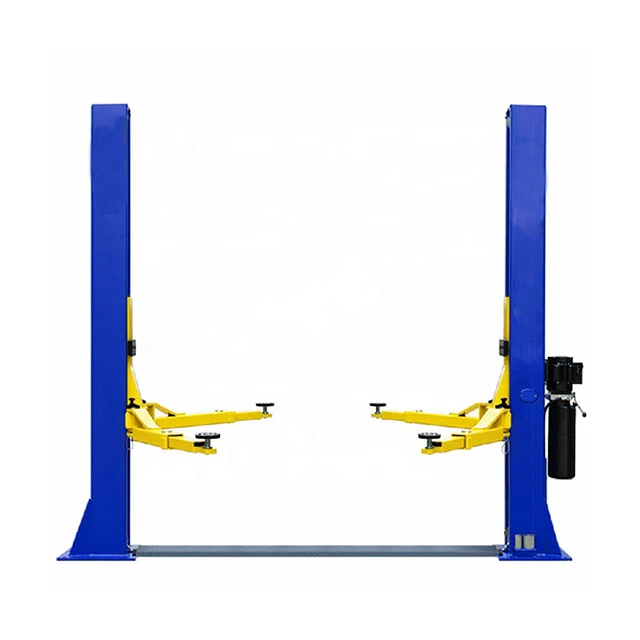
Pre-Installation Planning and Site Assessment
Foundation Requirements and Specifications
The foundation serves as the critical base for any automotive lift installation and requires specific concrete specifications to handle the tremendous forces generated during lifting operations. Standard requirements call for a minimum concrete thickness of four to six inches with proper reinforcement using rebar or wire mesh. The concrete must achieve a minimum compressive strength of 3000 PSI and should cure for at least 28 days before installation begins. Foundation dimensions typically extend beyond the lift footprint by several inches on all sides to provide adequate support distribution.
Proper drainage around the foundation prevents water accumulation that could compromise structural integrity over time. The surface must be level within industry tolerances, typically requiring variations of no more than 1/8 inch across the entire installation area. Professional contractors often use laser levels and precision measuring tools to verify foundation flatness before proceeding with lift placement. Any deviations from specifications must be corrected through grinding or additional concrete work before installation can continue.
Electrical and Utility Considerations
Electrical requirements for automotive lifts vary by model but typically require 220-volt single-phase or three-phase power depending on motor specifications. Circuit breakers must be properly sized according to manufacturer recommendations and local electrical codes. The electrical supply should be located within reasonable distance of the lift installation point to minimize voltage drop and ensure adequate power delivery. Professional electricians should handle all electrical connections to ensure compliance with local codes and safety requirements.
Additional utility considerations include compressed air lines for pneumatic components if applicable and adequate lighting for safe operation. Overhead clearance must be verified to ensure sufficient height for both the lift mechanism and vehicles being serviced. Many installations require ceiling heights of at least 12 feet to accommodate standard passenger vehicles, with additional clearance needed for larger vehicles or specific lift configurations.
Tools and Equipment Preparation
Essential Installation Tools
Successful lift installation requires an extensive array of specialized tools and equipment to ensure precision and safety throughout the process. Essential hand tools include various wrench sizes, socket sets, torque wrenches calibrated for specific bolt tensions, and precision measuring devices such as levels and squares. Power tools like impact wrenches expedite assembly but must be used carefully to avoid over-tightening critical components. Heavy-duty equipment including engine hoists, come-alongs, and rigging equipment facilitates safe handling of major lift components.
Safety equipment represents another critical category of necessary tools including personal protective equipment, safety harnesses for work at height, and blocking materials for securing partially assembled components. Quality measuring tools such as tape measures, calipers, and precision levels ensure accurate positioning and alignment throughout the installation process. Having all necessary tools available before beginning installation prevents delays and maintains project momentum.
Component Inventory and Inspection
Thorough inspection of all lift components before installation helps identify potential issues early and ensures complete parts availability. The inspection process should verify that all major assemblies including posts, crossbeams, hydraulic cylinders, and hardware match the installation manual specifications. Each component should be examined for shipping damage, manufacturing defects, or missing parts that could affect installation or operation. Documentation of any discrepancies allows for prompt resolution with suppliers before installation begins.
Organizing components systematically according to assembly sequence improves installation efficiency and reduces the likelihood of errors. Hardware should be sorted by size and application, with critical fasteners kept in labeled containers to prevent mix-ups. Taking time for proper organization and inspection upfront pays dividends in smoother installation progress and reduced troubleshooting time later in the process.
Step-by-Step Installation Process
Foundation Marking and Post Positioning
Accurate positioning of lift posts requires precise measurement and marking based on manufacturer specifications and the specific model being installed. Using the installation template or dimensional drawings, mark the exact center points for each post anchor location on the prepared foundation. Double-check all measurements using multiple methods to ensure accuracy, as positioning errors at this stage become increasingly difficult and expensive to correct later. The distance between posts must match specifications exactly to ensure proper operation and safety.
Temporary positioning of posts using support blocks or jigs helps verify fit and alignment before permanent anchoring begins. This step allows for minor adjustments if necessary and provides confidence that all components will align properly during final assembly. Mark anchor bolt locations precisely using appropriate drilling templates or guides provided with the lift kit. Verify that all marked positions clear any embedded utilities or reinforcement within the foundation.
Anchor Installation and Post Mounting
Drilling anchor holes requires specialized concrete drilling equipment and diamond-tipped bits sized according to anchor specifications. Holes must be drilled to precise depths and cleaned thoroughly to remove concrete debris that could prevent proper anchor seating. Anchor bolts or expansion anchors must be installed exactly according to manufacturer torque specifications using calibrated tools. Under-tightening compromises holding strength while over-tightening can damage anchors or foundation material.
Post mounting involves carefully positioning each column over the installed anchors and securing with appropriate hardware. Posts must be plumb and aligned properly before final tightening of mounting hardware. Using temporary bracing helps maintain proper positioning during the mounting process. A quality 2 post car lift installation demands precise attention to these alignment details to ensure smooth operation and longevity.
Hydraulic System Installation and Testing
Hydraulic Component Assembly
The hydraulic system represents the heart of any automotive lift and requires careful assembly to ensure reliable operation and safety. Begin by installing the main hydraulic cylinders according to manufacturer specifications, ensuring proper orientation and secure mounting. Hydraulic hoses must be routed carefully to avoid pinch points, sharp edges, or areas where they might be damaged during normal operation. Use proper fittings and ensure all connections are tight but not over-torqued, which could damage sealing surfaces.
The hydraulic power unit requires proper positioning for accessibility and maintenance while ensuring adequate ventilation for cooling. Electrical connections to the power unit must be made by qualified personnel following local electrical codes and manufacturer specifications. Fill the hydraulic system with the recommended fluid type and quantity, being careful to avoid contamination that could affect system performance. Initial filling should be done slowly to allow air to escape naturally from the system.
System Testing and Calibration
Comprehensive testing of the hydraulic system ensures safe and proper operation before putting the lift into service. Begin with basic functionality tests including raising and lowering the lift through its full range of motion while monitoring for smooth operation and proper synchronization between posts. Check for any hydraulic leaks at connections, seals, and hoses throughout the operating cycle. Any leaks must be addressed immediately before proceeding with additional testing.
Load testing should be performed gradually, starting with light loads and progressively increasing to the rated capacity according to manufacturer procedures. Monitor system pressure, lift speed, and overall performance throughout load testing. The safety systems including mechanical locks and pressure relief valves must be tested thoroughly to verify proper operation under all conditions. Documentation of all test results provides valuable reference information for future maintenance and troubleshooting.
Safety Systems and Final Adjustments
Mechanical Safety Lock Installation
Mechanical safety locks provide critical backup protection in case of hydraulic system failure and must be installed and adjusted precisely according to manufacturer specifications. These locks typically engage automatically at predetermined lift heights and must be tested thoroughly to ensure proper engagement and release. The lock mechanisms should engage smoothly without binding while providing positive holding capability under full load conditions. Regular inspection and maintenance of these safety systems ensures continued reliable operation.
Adjustment of safety lock engagement points requires careful attention to manufacturer specifications and may involve precise mechanical adjustments or electronic calibration depending on the lift design. The locks must engage at consistent heights on both posts to prevent uneven loading or potential safety hazards. Test the manual release mechanisms to ensure operators can safely lower the lift in emergency situations. All safety system components should move freely without excessive force or binding.
Final Calibration and Performance Verification
Final calibration ensures the lift operates smoothly and safely across its full range of motion while meeting all performance specifications. This process typically involves adjusting lift speed, pressure settings, and synchronization between posts to achieve optimal performance. Electronic controls may require programming or calibration using manufacturer-specific procedures and equipment. Take time to verify that all controls respond properly and that safety interlocks function as designed.
Performance verification includes testing with actual vehicles to ensure proper operation under real-world conditions. Monitor lift performance during these tests, watching for any vibration, noise, or irregular operation that might indicate adjustment needs. Document all calibration settings and test results for future reference and warranty purposes. Proper documentation also assists with future maintenance and troubleshooting efforts.
FAQ
What type of foundation is required for a two-post automotive lift installation?
A proper foundation requires reinforced concrete with a minimum thickness of 4-6 inches and compressive strength of at least 3000 PSI. The concrete should cure for a full 28 days before installation begins, and the surface must be level within 1/8 inch across the entire installation area. The foundation should extend several inches beyond the lift footprint on all sides to provide adequate support distribution and proper drainage to prevent water accumulation.
How much electrical power does a typical automotive lift require?
Most automotive lifts require 220-volt electrical service, either single-phase or three-phase depending on the specific motor configuration. The exact amperage requirements vary by model but typically range from 15 to 30 amps. A qualified electrician should install the electrical service with properly sized circuit breakers according to manufacturer specifications and local electrical codes. Adequate voltage supply at the lift location is essential for proper motor performance and longevity.
What safety features should be tested after installation?
Critical safety systems include mechanical safety locks that engage automatically during lift operation, pressure relief valves in the hydraulic system, and emergency lowering mechanisms. All safety locks must be tested for proper engagement and release at various lift heights. The hydraulic system should be tested for leaks and proper pressure operation throughout its full range. Emergency stop controls and manual lowering systems must be verified to function properly in all operating conditions.
How long does a typical lift installation take to complete?
Installation time varies significantly based on site conditions, installer experience, and specific lift model, but typically requires 1-3 days for a standard two-post lift. This timeframe assumes a properly prepared foundation and availability of all necessary tools and equipment. Complex installations or those requiring significant electrical work may take longer. Proper planning and preparation can significantly reduce installation time while ensuring quality results and safety compliance.