 EN
EN
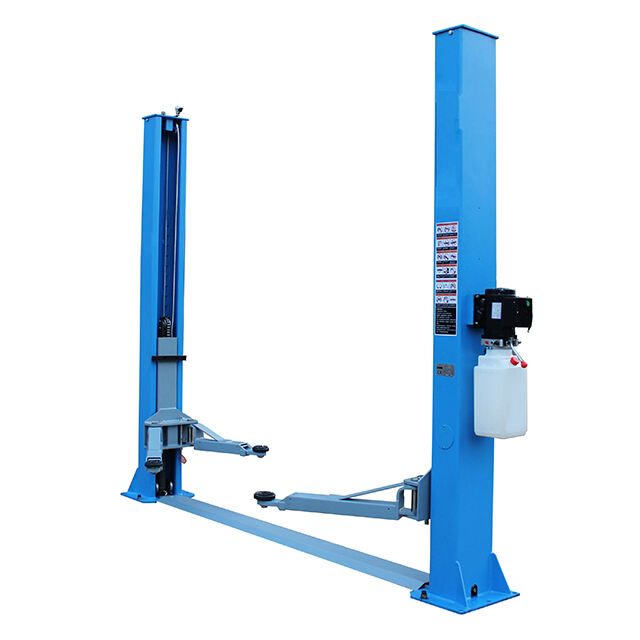
Automotive service professionals and garage owners constantly face the challenge of maximizing workspace efficiency while maintaining high-quality service standards. A 2 post car lift represents one of the most strategic investments for optimizing floor space utilization in any automotive facility. These vertical lifting solutions transform traditional ground-level service areas into multi-dimensional workspaces, enabling technicians to service vehicles at comfortable working heights while preserving valuable square footage for additional operations.
Fundamental Design Advantages of Two-Post Lifting Systems
Structural Efficiency and Minimal Footprint
The engineering excellence of modern two-post lifting systems lies in their ability to support substantial vehicle weights while occupying minimal ground space. Unlike four-post alternatives that require extensive runway configurations, a 2 post car lift utilizes only the space directly beneath the vehicle being serviced. This design philosophy allows garage owners to maintain clear pathways for vehicle movement and technician access throughout the service bay.
Advanced hydraulic systems integrated into these lifts provide smooth, controlled elevation without requiring additional support structures or extensive floor modifications. The column-based design distributes weight loads efficiently through reinforced foundation points, eliminating the need for comprehensive floor reinforcement across large areas. This targeted approach to structural support significantly reduces installation costs and construction disruption.
Versatile Vehicle Accommodation Capabilities
Modern two-post lifting systems accommodate an impressive range of vehicle types and sizes through adjustable arm configurations and varying lift capacities. From compact passenger cars to light commercial vehicles, these systems provide technicians with consistent access to undercarriage components, suspension systems, and drivetrain elements. The asymmetrical and symmetrical arm options available in contemporary models ensure optimal weight distribution for different vehicle configurations.
Professional-grade two-post lifts typically feature quick-adjustment mechanisms that allow technicians to reconfigure the system for different vehicles within minutes. This adaptability eliminates the need for multiple specialized lifting solutions, consolidating equipment requirements while maintaining service versatility. The result is a more streamlined operation that maximizes both space utilization and service efficiency.
Economic Benefits Through Space Optimization
Increased Service Bay Capacity
The compact footprint of a quality 2 post car lift enables garage owners to increase their service capacity without expanding their physical facilities. By utilizing vertical space effectively, these systems allow for the installation of multiple lifting points within areas that might traditionally accommodate only one or two ground-level service positions. This multiplication effect directly translates to increased revenue potential and improved customer throughput.
Strategic placement of two-post systems creates natural workflow patterns that minimize technician movement and reduce service times. The elevated working position provides comprehensive access to vehicle undersides while keeping the surrounding floor area clear for tool storage, parts organization, and additional equipment. This organizational efficiency contributes to faster service completion and higher daily vehicle processing rates.
Reduced Overhead and Operational Costs
Space-efficient lifting solutions contribute to significant operational cost reductions through multiple channels. Lower facility rental or construction costs per service position, reduced utility expenses through efficient space utilization, and decreased equipment redundancy all contribute to improved profit margins. The concentrated design of two-post systems also reduces cleaning and maintenance requirements compared to more expansive lifting alternatives.
Energy efficiency represents another significant cost advantage, as hydraulic two-post systems consume power only during lifting and lowering operations. The absence of continuously running motors or extensive electrical systems reduces ongoing operational expenses while maintaining reliable performance standards. This operational efficiency becomes particularly valuable in high-volume service environments.
Technical Performance and Reliability Features
Advanced Hydraulic Engineering
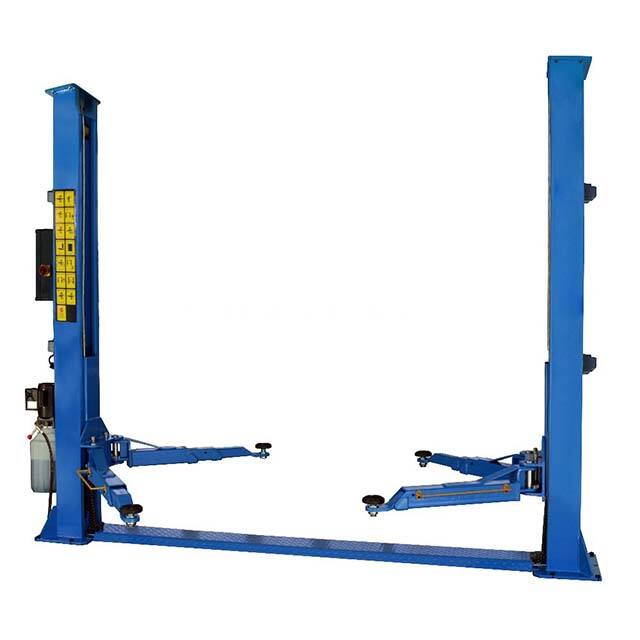
Contemporary two-post lifting systems incorporate sophisticated hydraulic technologies that deliver precise control and exceptional reliability. Single-cylinder designs with integrated flow control valves ensure synchronized lifting and lowering operations, while advanced sealing technologies prevent hydraulic fluid leaks that could compromise performance or create safety hazards. These engineering refinements contribute to consistent operation and extended service life.
Safety features integrated into modern hydraulic systems include automatic load-holding valves, pressure relief mechanisms, and emergency lowering capabilities. These redundant safety systems provide multiple layers of protection for both vehicles and technicians, ensuring compliance with industry safety standards while maintaining operational confidence. Regular maintenance protocols for hydraulic components remain straightforward and cost-effective.
Precision Positioning and Stability
The mechanical precision engineered into professional-grade two-post lifts ensures stable vehicle positioning throughout service operations. Robust arm designs with secure vehicle contact points minimize movement and vibration during technician activities, creating safer working conditions and preventing potential vehicle damage. Precision-machined components maintain alignment tolerances that contribute to long-term system reliability.
Electronic controls available in premium models provide precise positioning capabilities with programmable height settings and automatic leveling functions. These technological enhancements streamline operations while reducing the physical demands on technicians. Digital displays and diagnostic capabilities further enhance operational efficiency by providing real-time system status information.
Installation and Integration Considerations
Foundation Requirements and Site Preparation
Professional installation of two-post lifting systems requires careful attention to foundation specifications and site preparation requirements. Concrete thickness, reinforcement patterns, and anchor bolt positioning must meet manufacturer specifications to ensure safe operation and system longevity. Most installations require foundations between four and six inches thick with appropriate rebar reinforcement patterns.
Site preparation typically involves minimal disruption compared to more extensive lifting systems, as the concentrated load points require targeted foundation work rather than comprehensive floor modifications. Utility considerations include electrical service for hydraulic pumps and adequate drainage for maintenance operations. Professional installation teams can typically complete setup within one to two days, minimizing operational disruptions.
Integration with Existing Facility Systems
Modern 2 post car lift systems integrate seamlessly with existing garage infrastructure and workflow patterns. Electrical requirements remain modest, typically requiring standard 220-volt service that most commercial facilities already provide. Hydraulic systems operate independently of other facility systems, eliminating complex integration requirements or potential conflicts with existing equipment.
Space planning considerations should account for vehicle approach angles, technician working areas, and equipment storage requirements. The compact nature of two-post systems provides flexibility in positioning while maintaining optimal workflow patterns. Integration with overhead systems such as exhaust extraction or compressed air delivery remains straightforward due to the minimal overhead requirements of post-based designs.
Maintenance and Longevity Advantages
Simplified Maintenance Protocols
The straightforward design of two-post lifting systems contributes to simplified maintenance requirements and reduced servicing costs. Hydraulic fluid changes, seal inspections, and mechanical component lubrication represent the primary maintenance activities, all of which can be performed using standard tools and procedures. The concentrated design eliminates many of the complex components found in alternative lifting systems.
Preventive maintenance schedules for quality two-post systems typically require attention only at six-month or annual intervals, depending on usage intensity. Visual inspection procedures allow technicians to identify potential issues early, preventing costly repairs and extending system life. Replacement parts remain readily available from manufacturers and authorized distributors, ensuring minimal downtime when service is required.
Long-Term Durability and Performance
Professional-grade two-post lifting systems demonstrate exceptional longevity when properly maintained and operated within specified parameters. Steel construction with appropriate protective coatings resists corrosion and wear, while precision-manufactured components maintain operational tolerances over extended service periods. Many installations continue providing reliable service for decades with appropriate care and maintenance.
The robust engineering typical of commercial two-post systems accommodates the demands of high-volume service environments without compromising performance or safety standards. Hydraulic components designed for industrial applications provide consistent operation through thousands of lift cycles, while mechanical elements resist wear and fatigue under normal operating conditions.
FAQ
What floor space dimensions are required for a standard 2 post car lift installation
A typical 2 post car lift requires approximately 12 feet in width and 24 feet in length for proper installation and vehicle maneuvering, though specific requirements vary based on lift capacity and manufacturer specifications. This compact footprint represents significantly less space than four-post alternatives while providing equivalent lifting capabilities.
How much weight can a professional-grade two-post lift safely handle
Professional two-post lifting systems are available in capacities ranging from 7,000 pounds to over 18,000 pounds, with 9,000 and 12,000-pound capacities being most common for general automotive service applications. Capacity selection should account for the heaviest vehicles regularly serviced plus any additional equipment or parts that might be installed during service operations.
What electrical requirements are necessary for hydraulic two-post lift operation
Most two-post lifts require 220-volt single-phase electrical service with appropriate amperage ratings based on hydraulic pump specifications, typically ranging from 20 to 40 amps depending on lift capacity and pump design. Standard commercial electrical service usually accommodates these requirements without facility upgrades, though consultation with qualified electricians ensures proper installation and code compliance.
How do installation costs for two-post lifts compare to other lifting system types
Two-post lift installations generally cost 20-30% less than comparable four-post systems due to reduced foundation requirements, simplified electrical needs, and faster installation procedures. The compact design minimizes construction disruption and reduces labor costs, while the concentrated foundation requirements eliminate extensive concrete work across large areas.
Table of Contents
- Fundamental Design Advantages of Two-Post Lifting Systems
- Economic Benefits Through Space Optimization
- Technical Performance and Reliability Features
- Installation and Integration Considerations
- Maintenance and Longevity Advantages
-
FAQ
- What floor space dimensions are required for a standard 2 post car lift installation
- How much weight can a professional-grade two-post lift safely handle
- What electrical requirements are necessary for hydraulic two-post lift operation
- How do installation costs for two-post lifts compare to other lifting system types