 EN
EN
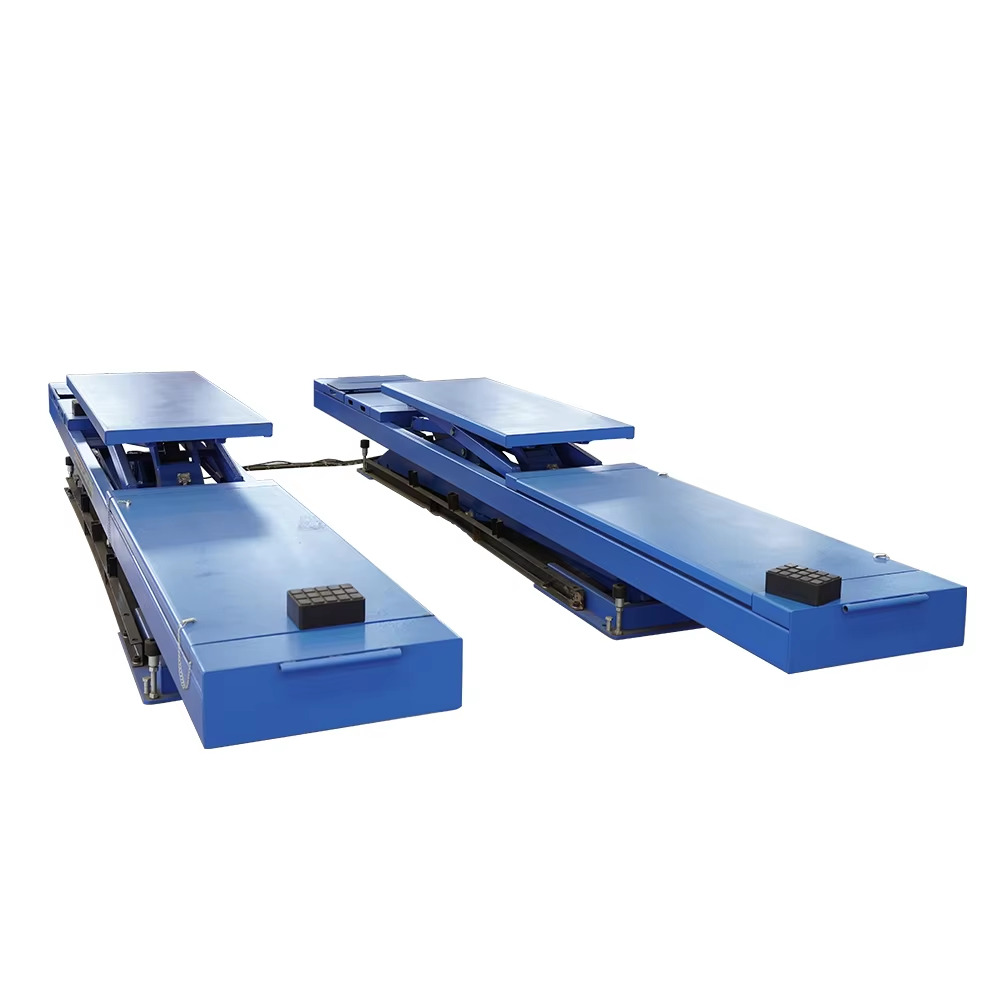
Modern automotive service facilities and vehicle storage operations rely heavily on efficient lifting solutions to maximize space utilization and operational productivity. Professional-grade 4 post car lifts have emerged as the cornerstone technology for heavy vehicle handling, offering unparalleled stability and weight-bearing capacity that traditional two-post systems simply cannot match. These robust lifting platforms represent a significant advancement in automotive equipment engineering, specifically designed to accommodate the increasing weight and dimensions of contemporary commercial vehicles, luxury cars, and specialty automotive applications.
The automotive industry's evolution toward heavier electric vehicles, expanded SUV markets, and sophisticated commercial truck designs has created unprecedented demand for lifting equipment capable of handling substantial weight loads while maintaining operational safety standards. Professional technicians and facility managers increasingly recognize that investing in premium 4 post car lifts directly correlates with enhanced service capabilities, reduced operational risks, and improved long-term profitability across diverse automotive applications.
Engineering Excellence in Heavy-Duty Lifting Systems
Structural Design Fundamentals
The engineering foundation of premium 4 post car lifts centers on advanced structural design principles that distribute vehicle weight across four independent support points, eliminating the concentrated stress patterns inherent in traditional lifting mechanisms. Each support column incorporates precision-machined steel construction with reinforced connection points, ensuring exceptional load distribution and operational longevity even under continuous heavy-duty applications.
Manufacturing specifications for professional-grade systems typically feature high-tensile steel framework with specialized welding techniques that exceed industry safety standards by substantial margins. The geometric configuration of these lifting platforms creates inherent stability advantages, with wide-stance positioning that accommodates various vehicle wheelbase configurations while maintaining structural integrity throughout the lifting cycle.
Advanced hydraulic integration within 4 post car lifts utilizes synchronized cylinder systems that ensure perfectly level platform movement regardless of load distribution variations. This sophisticated hydraulic architecture prevents tilting, shifting, or uneven lifting that could compromise vehicle safety or operator confidence during critical maintenance procedures.
Weight Capacity Specifications
Contemporary 4 post car lifts are engineered to accommodate weight capacities ranging from 8,000 pounds for standard automotive applications up to 20,000 pounds or more for specialized heavy vehicle operations. These substantial weight ratings enable facilities to service everything from compact passenger vehicles to full-size commercial trucks, utility vehicles, and specialized equipment without requiring multiple lifting solutions.
The distributed weight-bearing approach inherent in four-post design allows for significantly higher capacity ratings compared to alternative lifting technologies, while simultaneously reducing structural stress on facility foundations. This engineering advantage translates into enhanced operational flexibility and reduced infrastructure requirements for facilities planning equipment installations.
Professional installations incorporate safety factor calculations that exceed rated capacities by predetermined margins, ensuring operational safety even when handling maximum-weight vehicles. These built-in safety allowances provide operators with confidence when working with diverse vehicle types and varying load conditions throughout daily operations.
Operational Advantages for Professional Applications
Enhanced Safety Protocols
Safety considerations represent the paramount concern for any professional automotive lifting application, and 4 post car lifts deliver comprehensive safety advantages through multiple redundant systems and fail-safe mechanisms. The four-point support structure eliminates single-point failure risks while providing enhanced stability for technicians working beneath elevated vehicles.
Integrated safety features typically include automatic locking mechanisms at multiple height positions, emergency stop controls, hydraulic flow restrictors, and visual/audible warning systems that alert operators to potential safety concerns. These comprehensive safety systems create multiple layers of protection that significantly reduce workplace accidents and insurance liability concerns.
The low-profile design characteristic of most 4 post car lifts facilitates easy vehicle positioning without requiring precise alignment procedures, reducing operator stress and minimizing positioning-related safety risks. This user-friendly approach enables technicians to focus on maintenance tasks rather than equipment operation complexities.
Operational Efficiency Benefits
Productivity improvements achieved through professional-grade 4 post car lifts extend far beyond basic vehicle elevation capabilities, encompassing workflow optimization, space utilization efficiency, and reduced service turnaround times. The spacious platform design accommodates multiple technicians working simultaneously on different vehicle systems, eliminating bottlenecks common with smaller lifting solutions.
Rapid lifting and lowering cycles enabled by advanced hydraulic systems minimize vehicle handling time, allowing service facilities to accommodate more appointments within standard operating hours. This throughput enhancement directly impacts revenue generation while improving customer satisfaction through reduced wait times and faster service completion.
The versatile platform configuration supports various automotive service procedures including routine maintenance, diagnostic work, major repairs, and specialty installations without requiring equipment changes or repositioning. This operational flexibility reduces facility downtime and equipment transition periods that typically interrupt productive workflow patterns.
Installation and Facility Integration Considerations
Foundation Requirements
Successful installation of professional 4 post car lifts requires careful evaluation of facility foundation specifications, including concrete thickness, reinforcement requirements, and anchor point configurations. Most installations require minimum concrete thickness of six inches with appropriate steel reinforcement to ensure adequate load distribution and anchor holding strength.
Foundation preparation considerations include proper drainage systems, electrical conduit routing, and hydraulic line pathways that must be integrated during concrete pouring phases. Professional installation teams typically provide detailed foundation specifications that account for local building codes, soil conditions, and specific equipment requirements.
Facility planning should accommodate adequate clearance around lifting equipment for vehicle maneuvering, technician access, and safety egress routes. These spatial requirements vary based on specific lift models and intended vehicle types but generally require substantial floor space allocation for optimal operational efficiency.
Power and Utility Integration
Electrical requirements for 4 post car lifts typically involve dedicated circuits with appropriate amperage ratings for hydraulic pump motors and control systems. Professional installations include emergency disconnect switches, proper grounding systems, and electrical protection devices that comply with relevant electrical codes and safety standards.
Hydraulic system integration requires consideration of fluid temperature management, filtration systems, and routine maintenance access points. Modern systems incorporate environmental controls that optimize hydraulic fluid performance across varying temperature conditions while minimizing maintenance requirements and extending component life expectancy.
Communication and control systems integration enables remote monitoring capabilities, automated safety systems, and integration with facility management systems for operational tracking and maintenance scheduling. These advanced features enhance operational oversight while reducing manual monitoring requirements.
Maintenance and Longevity Optimization
Preventive Maintenance Protocols
Professional-grade 4 post car lifts require systematic maintenance protocols that ensure continued operational safety, reliability, and performance throughout extended service life cycles. Regular hydraulic fluid analysis, seal inspection, and component lubrication represent critical maintenance elements that prevent costly repairs and operational downtime.
Structural inspection procedures include regular evaluation of weld joints, anchor points, and load-bearing components for signs of fatigue, corrosion, or structural compromise. These inspections should be performed by qualified technicians following manufacturer specifications and relevant safety standards to maintain equipment certifications and insurance compliance.
Electronic control systems require periodic calibration, software updates, and component testing to ensure accurate operation and safety system functionality. Modern lifting equipment incorporates diagnostic capabilities that facilitate troubleshooting and maintenance scheduling, reducing unexpected equipment failures and associated operational disruptions.
Component Replacement and Upgrades
Long-term operation of 4 post car lifts benefits from strategic component replacement programs that address wear items before they compromise system performance or safety. Hydraulic seals, fluid filters, and electrical contacts represent common replacement items that should be maintained according to manufacturer recommendations and operational intensity.
Technological upgrade opportunities enable facilities to enhance existing lifting equipment with improved control systems, safety features, and operational capabilities without requiring complete equipment replacement. These upgrades can extend equipment life while improving operational efficiency and safety compliance standards.
Component sourcing strategies should prioritize genuine manufacturer parts and authorized service providers to ensure compatibility, warranty protection, and optimal performance characteristics. Alternative component sources may compromise safety systems or void equipment warranties, creating significant liability risks.
Economic Impact and Return on Investment
Cost-Benefit Analysis
Investment analysis for professional 4 post car lifts must consider initial equipment costs, installation expenses, ongoing maintenance requirements, and operational benefits over expected equipment life cycles. Quality lifting equipment typically provides positive return on investment through increased service capacity, reduced labor costs, and enhanced safety outcomes.
Operational cost savings include reduced technician fatigue, faster service completion times, and decreased equipment damage risks associated with vehicle handling procedures. These operational improvements translate into quantifiable financial benefits that often justify premium equipment investments within reasonable payback periods.
Insurance premium reductions may be available for facilities that implement professional-grade lifting equipment with comprehensive safety systems, creating additional financial benefits beyond direct operational improvements. These insurance considerations should be evaluated during equipment selection processes to maximize total cost benefits.
Facility Value Enhancement
Professional 4 post car lifts represent significant facility improvements that enhance property values, operational capabilities, and market competitiveness. These equipment investments demonstrate commitment to professional service standards while providing tangible operational advantages that attract quality customers and technicians.
Market differentiation achieved through premium lifting capabilities enables facilities to pursue higher-value service contracts, specialty vehicle applications, and premium customer segments that require advanced equipment capabilities. This market positioning often supports premium pricing strategies and improved profit margins.
Future facility expansion or sale transactions benefit from existing professional-grade equipment installations that reduce buyer infrastructure requirements and demonstrate established operational capabilities. These factors contribute to facility valuations and transaction attractiveness for potential buyers or investors.
Technology Integration and Future Developments
Smart System Capabilities
Modern 4 post car lifts increasingly incorporate smart technology features that enhance operational monitoring, safety systems, and maintenance management. Internet connectivity enables remote diagnostics, performance monitoring, and predictive maintenance capabilities that optimize equipment utilization while minimizing unexpected downtime events.
Automated safety systems utilize sensors, cameras, and artificial intelligence algorithms to monitor lifting operations and prevent potential safety incidents through real-time hazard detection and intervention. These advanced safety systems represent significant improvements over traditional manual safety protocols while reducing operator training requirements.
Integration with facility management systems enables comprehensive operational tracking, maintenance scheduling, and performance analysis that supports data-driven decision making and operational optimization strategies. These analytical capabilities provide valuable insights for facility managers seeking to maximize equipment utilization and operational efficiency.
Environmental and Sustainability Considerations
Environmental impact considerations for 4 post car lifts include energy efficiency optimization, sustainable materials utilization, and end-of-life recyclability planning. Modern equipment designs incorporate energy-efficient hydraulic systems, reduced fluid consumption, and environmentally responsible manufacturing processes that align with sustainability objectives.
Operational environmental benefits include reduced facility energy consumption through efficient lifting systems, minimized fluid waste through advanced filtration systems, and extended equipment life cycles that reduce replacement frequency and associated environmental impacts.
Future technology developments focus on alternative power sources, including electric and hybrid systems that eliminate hydraulic fluids while maintaining performance characteristics. These emerging technologies represent potential advancement opportunities for facilities seeking to minimize environmental impacts while maintaining operational capabilities.
FAQ
What weight capacity should I choose for my facility's 4 post car lifts
Weight capacity selection should be based on the heaviest vehicles you plan to service regularly, with additional safety margin for future requirements. Most professional facilities benefit from 12,000 to 15,000-pound capacity systems that accommodate standard passenger vehicles, SUVs, and light commercial trucks. Heavy-duty applications may require 20,000-pound or higher capacity systems for specialized vehicle types.
How much space is required for proper 4 post car lift installation
Standard installations require approximately 24 feet in length and 12 feet in width for the lifting platform, plus additional clearance space of 3-4 feet on all sides for vehicle maneuvering and technician access. Ceiling height requirements typically range from 12-14 feet to accommodate lifted vehicles and provide adequate working clearance underneath.
What maintenance is required for professional grade 4 post car lifts
Regular maintenance includes monthly visual inspections, quarterly hydraulic fluid level checks, semi-annual professional inspections of all safety systems, and annual comprehensive inspections by certified technicians. Component replacement schedules vary based on usage intensity but typically include hydraulic seals every 3-5 years and complete hydraulic fluid replacement every 2-3 years under normal operating conditions.
Can existing facilities be retrofitted with 4 post car lifts
Most existing automotive facilities can accommodate 4 post car lift installations with appropriate foundation preparation and utility modifications. Retrofit considerations include concrete foundation adequacy, electrical capacity, ceiling height clearance, and floor space availability. Professional site surveys can determine specific requirements and feasibility for existing facility installations.