 EN
EN
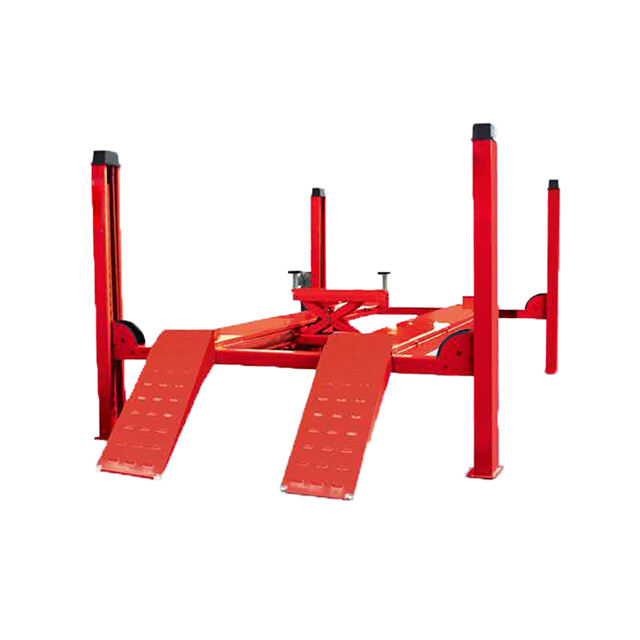
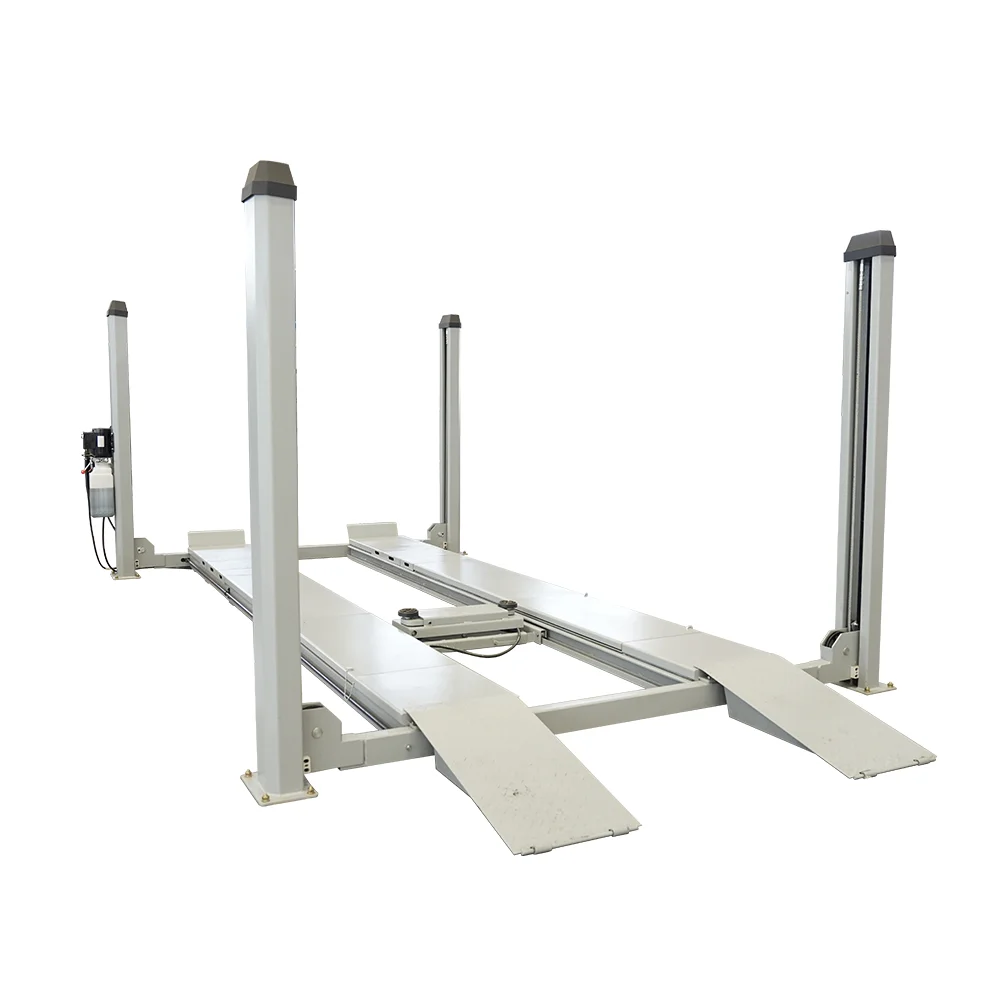
Kapag pinaghahambing ang mga solusyon sa pagpapanatili ng sasakyan para sa iyong garahe o komersyal na pasilidad, ang 4 post car lift ay isa sa mga pinaka-maaasahan at madaling gamiting opsyon na magagamit. Ang mga kamangha-manghang hydraulic na ito ay nagbibigay ng matatag na suporta sa apat na punto na nagpapadali at nagpapataas ng kaligtasan sa pagpapanatili ng sasakyan kumpara sa tradisyonal na jack stand o dalawang-post na alternatibo. Ang pag-unawa sa mahahalagang salik bago bumili ay tinitiyak na pipiliin mo ang tamang kagamitan para sa iyong tiyak na pangangailangan, badyet, at mga kinakailangan sa workspace.
Pag-unawa sa Teknolohiya ng Four Post Lift
Mga Pangunahing Kaalaman Tungkol sa Hydraulic System
Ang hydraulic system ang nagsisilbing puso ng anumang de-kalidad na 4 post car lift, gamit ang pressurized fluid upang makabuo ng napakalaking puwersa na kailangan para itaas nang ligtas ang mga sasakyan. Ang mga modernong sistema ay karaniwang gumagana sa pagitan ng 3,000 hanggang 5,000 PSI, na nagbibigay ng maayos at pare-parehong pagtaas. Ang mga hydraulic cylinder ay nakalagay nang estratehikong para i-distribute ang timbang nang pantay sa lahat ng apat na support point, tinitiyak ang pinakamataas na katatagan sa buong proseso ng pagtaas. Ang mga premium na yunit ay may dalawang cylinder configuration na nagbibigay ng redundant na safety system at mas mataas na lifting capacity.
Ang mga de-kalidad na hydraulic component ay kasama ang precision-engineered seals, hardened cylinder walls, at corrosion-resistant fittings na kayang tumagal sa mga taon ng patuloy na operasyon. Dapat idisenyo ang hydraulic pump motor para sa komersyal na duty cycle, na may thermal overload protection at mahusay na pagkonsumo ng kuryente. Ang mga advanced system ay nagtatampok ng velocity fuses na awtomatikong humihinto sa pagbaba kung biglang bumaba ang hydraulic pressure, na nagbibigay ng karagdagang antas ng kaligtasan sa operator habang nasa maintenance procedure.
Mga Pansin sa Structural Engineering
Ang integridad ng istraktura ng isang 4 na poste na car lift ay nakasalalay sa matibay na konstruksyon ng bakal na gumagamit ng mga de-kalidad na materyales na tumutugon o lumalampas sa mga pamantayan ng kaligtasan sa industriya. Ang pangunahing mga haligi ng suporta ay dapat gawa sa makapal na tubong bakal na may tamang palakasin sa mga punto kung saan nakakonsentra ang tensyon. Ang pagkakabit na pangsilid sa pagitan ng mga haligi ay nagbibigay ng karagdagang rigidity at nag-iiba sa galaw na pahalang habang gumagana, samantalang ang mga ibabaw ng runway ay nangangailangan ng sapat na kapal upang suportahan ang distribusyong beban ng sasakyan nang walang pagkalumbay.
Ang wastong mga kalkulasyon sa inhinyeriya ay tinitiyak na kayang dalhin ng lift ang rated capacity nito na may angkop na mga salik ng kaligtasan na binuo sa disenyo. Ang mekanismo ng pag-angat ay dapat isama ang mga precision-machined na bahagi na nagpapanatili ng pagkaka-align at nag-iiba sa pagkakabitin sa buong saklaw ng galaw. Ang mga tagagawa ng de-kalidad ay nagbibigay ng detalyadong teknikal na espesipikasyon at mga tsart ng distribusyon ng karga na tumutulong sa mga installer na matukoy ang tamang pagkakalagay at mga kinakailangan sa pag-aangkop para sa pinakamainam na pagganap.
Kakayahan at Mga Pangangailangan sa Sukat
Mga Tiyak na Rating ng Timbang
Pagtukoy sa angkop na kapasidad ng timbang para sa iyong 4 post car lift nangangailangan ng maingat na pag-iisip tungkol sa pinakamabigat na mga sasakyan na plano mong serbisyohan. Karaniwang saklaw ng mga standard residential unit ay nasa pagitan ng 7,000 hanggang 9,000 pounds, habang ang mga komersyal na aplikasyon ay maaaring mangailangan ng kapasidad na umaabot sa 15,000 pounds o higit pa. Palaging pumili ng lift na may kapasidad na malaki ang lamangan kaysa sa iyong kasalukuyang pangangailangan upang masakop ang hinaharap na mga pangangailangan at magbigay ng sapat na safety margin habang gumagana.
Mahalaga ang distribusyon ng timbang sa performance ng lift, dahil ang mga sasakyan na may hindi pantay na distribusyon ng timbang o mas mahabang wheelbase ay maaaring mangailangan ng espesyal na pag-iisip. Madalas na lumalampas ang mga luxury SUV, pickup truck, at mga komersyal na sasakyan sa karaniwang spec ng passenger car, kaya't kailangan ang mas mataas na rating ng kapasidad. Ang mga propesyonal na installer ay maaaring magbigay ng gabay sa pagpili ng angkop na kapasidad batay sa iyong partikular na kahalintulad ng sasakyan at inilaang pattern ng paggamit.
Mga Salik sa Pagpaplano ng Dimensyon
Ang haba ng runway ay isang mahalagang pagtutukoy na dapat nakakasya sa iyong pinakamahabang mga sasakyan na may sapat na clearance sa magkabilang dulo. Ang karaniwang haba ng runway ay nasa pagitan ng 168 hanggang 192 pulgada, na may mas mahahabang opsyon para sa mas malalaking sasakyan o partikular na aplikasyon. Karaniwang sinusukat ang lapad sa pagitan ng mga runway sa 102 hanggang 108 pulgada, na nagbibigay ng sapat na clearance para sa karamihan ng mga passenger vehicle habang pinapanatili ang istrukturang integridad at katatagan sa panahon ng operasyon.
Iba-iba ang mga kinakailangan sa taas ng kisame depende sa disenyo ng lift at pinakamataas na taas ng pag-angat, na karaniwang nangangailangan ng 11 hanggang 14 talampakan na overhead clearance para sa buong operasyon. Isaalang-alang hindi lamang ang taas ng lift kundi pati ang pinakamataas na sasakyan na plano mong i-serbisyohan, na tinitiyak ang sapat na espasyo sa pagtratrabaho sa itaas ng naitaas na sasakyan. Ang mga pangangailangan sa espasyo sa sahig ay lumalawig pa sa labas ng footprint ng lift upang isama ang mga lugar ng paglapit, mga zone ng kaligtasan, at espasyo para sa maayos na pagposisyon ng sasakyan.
Mga Pangangailangan sa Pag-install at Infrastruktura
Mga Patibayan at Sistema ng Pag-aangkop
Ang wastong paghahanda ng pundasyon ay bumubuo sa pundasyon ng ligtas at maaasahang 4 post car lift operation, na nangangailangan ng mga kongkretong slab na may sapat na kapal at compressive strength upang mahawakan ang mga dynamic na load. Ang pinakamababang kapal ng kongkreto ay karaniwang umaabot mula 4 hanggang 6 na pulgada, depende sa kapasidad ng pag-angat at mga lokal na kondisyon ng lupa. Ang kongkreto ay dapat gumaling nang maayos at makamit ang tinukoy na lakas bago magsimula ang pag-install, na tinitiyak ang pangmatagalang katatagan at maiwasan ang pag-aayos o pag-crack sa ilalim ng pagkarga.
Ginagamit ng mga sistema ng pag-angkop ang mga mataas na lakas na turnilyo na naka-embed sa pundasyong konkreto, na lumilikha ng mga secure na punto ng pagkakakonekta na lumalaban sa pataas at pahalang na puwersa habang gumagana. Kasama sa propesyonal na pag-install ang eksaktong posisyon ng mga turnilyong pang-angkop gamit ang mga template na ibinigay ng tagagawa, upang matiyak ang tamang pagkaka-align at pamamahagi ng karga. Dapat isaalang-alang ng sistema ng pag-angkop ang mga panganib na dulot ng lindol sa mga angkop na rehiyon, kabilang ang karagdagang palakas o mga sistemang mounting na may kakayahang umangkop ayon sa lokal na batas sa gusali.
Mga sistema ng kuryente at kontrol
Ang mga kahingian sa kuryente para sa 4 na poste ng car lifts ay karaniwang kasama ang 220-volt single-phase o three-phase power connections, depende sa mga espesipikasyon ng motor at lokal na availability. Ang pag-install ng kuryente ay dapat sumunod sa pambansang at lokal na electrical code, na isinasama ang angkop na proteksyon ng circuit, grounding system, at kakayahan sa emergency shutdown. Dapat ipagawa ang lahat ng wiring connections sa mga propesyonal na elektrisyano upang matiyak ang kaligtasan at pagsunod sa code habang pinapanatili ang warranty coverage.
Ang mga sistema ng kontrol ay mula sa pangunahing operasyon gamit ang push-button hanggang sa masalimuot na mga programmable control na may maramihang safety interlock at diagnostic na kakayahan. Ang mga advanced na yunit ay may variable-speed control na nagbibigay-daan sa tumpak na posisyon habang itinataas o ibinababa, samantalang ang mga safety system nito ay kasama ang emergency stop button, overload protection, at automatic leveling function. Ang mga opsyon ng remote control ay nagbibigay ng flexibility sa operator at mas mataas na kaligtasan dahil nagagamit ito mula sa pinakamainam na posisyon ng panonood habang inilalagay ang sasakyan.
Mga Katangian ng Kaligtasan at Pamantayan ng Pagpapatupad
Mga Kinakailangang Sertipiko sa Industriya
Ang mga sertipikasyon sa kaligtasan mula sa mga kilalang organisasyon tulad ng ALI (Automotive Lift Institute) ay nagbibigay ng garantiya na ang 4 post car lifts ay sumusunod sa mahigpit na pamantayan ng industriya para sa disenyo, konstruksyon, at pagsusuri. Ang mga sertipikasyong ito ay nangangailangan ng masusing pagsusuri sa inhinyeriya, pagsusuri sa prototipo, at patuloy na programa ng quality assurance upang mapatunayan ang pare-parehong pamantayan sa pagmamanupaktura. Hanapin ang mga lift na may tamang label ng sertipikasyon at dokumentasyon na nagpapakita ng pagsunod sa kasalukuyang mga kahilingan sa kaligtasan.
Ang regular na inspeksyon at programa ng pagpapanatili ay tumutulong upang matiyak ang patuloy na ligtas na operasyon sa buong haba ng serbisyo ng lift, kung saan karaniwang inirerekomenda ng tagagawa ang pang-araw-araw na biswal na inspeksyon at periodicong propesyonal na serbisyo. Ang mga kahilingan sa dokumentasyon ay maaaring isama ang mga logbook ng pagpapanatili, talaan ng inspeksyon, at sertipiko ng pagsasanay sa operator, lalo na sa komersyal na kapaligiran kung saan hinihingi ng mga isyu sa pananagutan ang komprehensibong mga programa sa kaligtasan.
Mga Mehikano ng Kaligtasan na Naka-imbento
Ang mga mekanikal na safety lock ay nagbibigay ng fail-safe na proteksyon laban sa aksidenteng pagbaba, na awtomatikong nakikilahok sa mga nakatakdang agwat sa buong lifting range. Ginagamit ng mga lock na ito ang mga spring-loaded mechanism na secure na nakakabit sa mga notched support column, na lumilikha ng positibong mekanikal na koneksyon na malaya sa hydraulic pressure. Ang mga de-kalidad na sistema ay isinasama ang maramihang safety lock bawat column, tinitiyak ang redundant na proteksyon kahit pa ang iilang indibidwal na bahagi ay bumigo.
Ang velocity fuses ay mahahalagang hydraulic safety component na awtomatikong humihinto sa pagbaba kapag lumampas ang bilis sa mga nakatakdang limitasyon, upang maiwasan ang katalastrópikong pagkabigo sa kaso ng hydraulic line rupture o valve malfunction. Kasama sa karagdagang safety feature ang pressure relief valve na nagpipigil sa labis na presyon ng sistema, emergency lowering valve para sa kontroladong pagbaba tuwing magkakaroon ng power failure, at limit switch na nagbabawal sa labis na paggalaw sa alinmang direksyon.
Pagsusuri sa Gastos at Pagpaplano ng Budget
Mga Isinasaalang-alang sa Paunang Puhunan
Ang presyo ng isang de-kalidad na 4 post car lift ay nag-iiba-iba batay sa kapasidad, mga katangian, at reputasyon ng tagagawa, kung saan ang mga entry-level na yunit para sa bahay ay nagsisimula sa halos $3,000 at ang mga commercial-grade system ay maabot ang $15,000 o higit pa. Dapat isama sa badyet ang mga karagdagang gastos tulad ng pagpapadala, pag-install, gawaing elektrikal, at anumang kinakailangang pagbabago sa gusali para sa maayos na operasyon. Ang propesyonal na pag-install ay karaniwang nagdaragdag ng $1,500 hanggang $3,000 sa kabuuang gastos ng proyekto, depende sa kumplikado at lokal na singil sa paggawa.
Ang mga pagpipilian sa pagpopondo sa pamamagitan ng mga kumpanya ng pag-lease ng kagamitan o mga programa ng tagagawa ay maaaring makatulong na ipasa ang mga gastos sa loob ng ilang taon habang pinapanatili ang working capital para sa iba pang mga pangangailangan sa negosyo. Isaalang-alang ang kabuuang gastos sa pagmamay-ari kabilang ang pagpapanatili, pagkonsumo ng enerhiya, at potensyal na pagpapabuti sa pagiging produktibo kapag sinusuri ang iba't ibang mga pagpipilian. Ang mas mataas na kalidad na mga yunit ay maaaring mag-order ng mga premium na presyo ngunit madalas na nagbibigay ng mas mahusay na pangmatagalang halaga sa pamamagitan ng nabawasan na gastos sa pagpapanatili at pinalawig na buhay ng serbisyo.
Pagsusuri sa Matagalang Halaga
Dapat isaalang-alang sa mga kalkulasyon ng return on investment ang parehong direktang pagtitipid sa gastos dulot ng nabawasang oras sa trabaho at di-direktang benepisyo tulad ng mapabuting kalidad ng serbisyo at mapalawig na kakayahan sa paglilingkod. Karaniwang maibabalik ng mga propesyonal na tindahan ang gastos sa lift sa loob ng 12 hanggang 24 na buwan sa pamamagitan ng mas mataas na kahusayan at kakayahang pangasiwaan ang mas malalaking sasakyan na nagdudulot ng mas mataas na kita mula sa serbisyo. Ang mas mataas na kaligtasan at nabawasang pisikal na pagod sa mga technician ay nagbibigay ng karagdagang halaga na posibleng hindi direktang nakikita sa mga kalkulasyong pinansyal ngunit nag-aambag sa kabuuang tagumpay ng negosyo.
Ang mga iskedyul ng pagbaba ng halaga para sa mga layuning pampabuwis ay karaniwang nagbibigay-daan upang maibalik ang gastos sa kagamitan sa loob ng lima hanggang pitong taon, na nagbibigay ng patuloy na benepisyong pampabuwis na nagpapabuti sa epektibong pagbabalik sa pamumuhunan. Ang mga disenyo na mahusay sa enerhiya ay nagpapababa sa mga gastos sa operasyon habang ang mga tampok na may pagmamalasakit sa kalikasan ay maaaring karapat-dapat sa mga insentibo o rebate sa buwis sa ilang hurisdiksyon. Isaalang-alang ang mga plano para sa hinaharap na pagpapalawak at potensyal na mga pagbabago sa sukat ng sasakyan o alok ng serbisyo kapag pinipili ang mga espesipikasyon ng lift upang matiyak ang pang-matagalang kakayahang magamit.
Mga Kinakailangan sa Pagpapanatili at Operasyon
Protokolo para sa Regular na Paggamot
Ang pang-araw-araw na rutina ng inspeksyon para sa 4 post car lifts ay kinabibilangan ng biswal na pagsusuri sa mga hydraulic connection, safety lock, runway surface, at control system upang matukoy ang mga potensyal na isyu bago pa man ito lumala. Ang lingguhang pagpapanatili ay kadalasang kinabibilangan ng pagsusuri sa antas ng hydraulic fluid, pagsusuri sa safety cable, at pagsusulit sa emergency control upang matiyak ang maayos na paggana. Ang buwanang proseso naman ay kinabibilangan ng masusing pagsusuri sa mga structural component, pag-verify sa bolt torque, at paglalagay ng lubricant sa mga moving part ayon sa mga espisipikasyon ng tagagawa.
Ang taunang propesyonal na inspeksyon ng mga kwalipikadong teknisyano ay nagbibigay ng komprehensibong pagtatasa ng sistema kabilang ang pagsusuri sa hydraulic pressure, structural analysis, at verification ng safety system. Kasama sa mga inspeksyon na ito ang pagpapalit ng mga bahaging madaling maubos tulad ng hydraulic seals, filter, at safety cable na maaaring walang obvious na senyales ng pagkasira ngunit kailangang palitan nang pana-panahon upang mapanatili ang optimal na performance. Ang tamang dokumentasyon ng lahat ng gawain sa maintenance ay nakatutulong upang matiyak ang compliance sa warranty at magbigay ng mahahalagang tala para sa insurance at liability.
Paglutas ng mga karaniwang isyu
Ang mga problema sa hydraulic system ang kadalasang nagiging sanhi ng mga hamon sa pagpapanatili, na kadalasang ipinapakita bilang mabagal na lifting speed, hindi pare-parehong operasyon, o kabiguan na mapanatili ang itinaas na posisyon. Ang mga isyung ito ay karaniwang dulot ng mababang antas ng fluid, maruming hydraulic oil, o mga goma na puro na at nagpapahintulot sa panloob na pagtagas. Ang regular na pagsusuri sa fluid ay nakakatukoy ng anumang kontaminasyon bago pa man ito magdulot ng mahalagang pinsala sa mga bahagi, habang ang tamang sistema ng filtration ay tumutulong upang mapanatiling malinis ang fluid sa buong operational life ng system.
Maaaring isama ng mga elektrikal na problema ang mga paghihirap sa pagsisimula ng motor, mga maling paggana ng kontrol, o mga kabiguan sa sistema ng kaligtasan na nangangailangan ng sistematikong pagtukoy sa ugat ng mga sanhi. Ang tamang pangangalaga sa elektrikal ay sumasaklaw sa regular na inspeksyon ng mga koneksyon, pagsusuri sa mga circuit ng kaligtasan, at pag-verify ng tamang mga sistema ng grounding. Ang mga salik na pangkapaligiran tulad ng kahalumigmigan, matinding temperatura, o mapaminsalang atmospera ay maaaring paikliin ang buhay ng mga bahagi at nangangailangan ng karagdagang mga hakbang na protektibo o mas madalas na pagpapanatili.
FAQ
Ano ang karaniwang haba ng buhay ng isang 4 na poste na lift para sa kotse?
Ang isang maayos na pinanatiling 4 post car lift ay maaaring magbigay ng 15 hanggang 25 taon na maaasahang serbisyo sa karaniwang automotive shop environment. Ang aktwal na haba ng buhay nito ay nakadepende sa dalas ng paggamit, kalidad ng pagpapanatili, kondisyon ng kapaligiran kung saan ito ginagamit, at kalidad ng unang pagkakagawa. Ang mga komersyal na instalasyon na may mabigat na pang-araw-araw na paggamit ay maaaring nangangailangan ng mas madalas na pagpapalit ng mga bahagi, samantalang ang mga residential unit na paminsan-minsang ginagamit ay maaaring lumampas sa inaasahang haba ng serbisyo. Ang regular na pagpapanatili at agarang pagtugon sa mga maliit na isyu ay malaki ang nagagawa upang mapahaba ang operasyonal na buhay at mapanatili ang mga pamantayan ng kaligtasan sa buong tagal ng serbisyo ng kagamitan.
Gaano karaming espasyo sa sahig ang kailangan para sa pag-install?
Ang karaniwang 4 na poste ng car lift ay nangangailangan ng humigit-kumulang 12 sa 24 piyong espasyo sa sahig para sa mismong lift, kasama ang dagdag na clearance para sa paglapit ng sasakyan, pag-access ng operator, at mga zone ng kaligtasan. Ang kabuuang inirerekomendang pagkakaayos ng espasyo ay nasa pagitan ng 16 sa 28 piye hanggang 20 sa 32 piye, depende sa kapasidad ng lift at uri ng sasakyang serbisyohan. Ang kinakailangang taas ng kisame ay karaniwang nasa 11 hanggang 14 piye, na isinasama ang pinakamataas na taas ng lift kasama ang pinakamataas na sasakyan na popormahan. Maaaring itakda ng lokal na batas sa gusali ang karagdagang clearance na dapat isama sa pagkalkula ng espasyo.
Maari bang ilipat ang isang 4 post car lift matapos ma-install ito?
Bagaman posible sa teknikal na aspeto, ang paglipat ng isang 4-post car lift ay nangangailangan ng malaking pagsisikap at gastos, kabilang ang propesyonal na pagkakabukod, transportasyon, at muling pag-install na may bagong pundasyon. Karaniwang nagkakahalaga ang proseso ng 40 hanggang 60 porsyento ng orihinal na gastos sa pag-install at maaaring ikansela ang warranty ng tagagawa kung hindi isinagawa ito ng mga awtorisadong technician. Ang mga hydraulic system ay nangangailangan ng ganap na pagpapalit ng fluid at pressure testing matapos ilipat, habang ang mga electrical connection ay kailangang gawin muli nang buo upang sumunod sa lokal na code. Karamihan sa mga may-ari ay mas madalas na mas ekonomiko ang pagpapalit kaysa sa paglilipat maliban kung ang paglipat ay maikli lamang ang distansya at maaari pang eksaktong gayahin ang umiiral na pundasyon.
Anong pagsasanay ang kinakailangan para sa ligtas na operasyon?
Dapat isama sa tamang pagsasanay ng operator ang mga tagubilin na partikular sa manufacturer tungkol sa mga sistema ng kontrol, mga pamamaraan sa kaligtasan, mga teknik sa posisyon ng sasakyan, at mga protokol sa emerhensiya. Ang karamihan sa mga manufacturer ay nagbibigay ng mga materyales sa pagsasanay at maaaring mag-alok ng pagsasanay sa lugar sa panahon ng pag-install, na sumasaklaw sa parehong karaniwang operasyon at pangunahing mga pamamaraan sa pagtsutsroble shoot. Dapat saklawin ng patuloy na pagsasanay ang mga pagbabago sa uri ng sasakyan, bagong mga kinakailangan sa kaligtasan, at mga sesyon sa repasuhin upang mapanatili ang husay. Maaaring mangailangan ang komersyal na operasyon ng dokumentadong mga programa sa pagsasanay na may mga talaan ng sertipikasyon upang matugunan ang mga kinakailangan sa insurance at mga hakbang sa proteksyon laban sa pananagutan.