 EN
EN
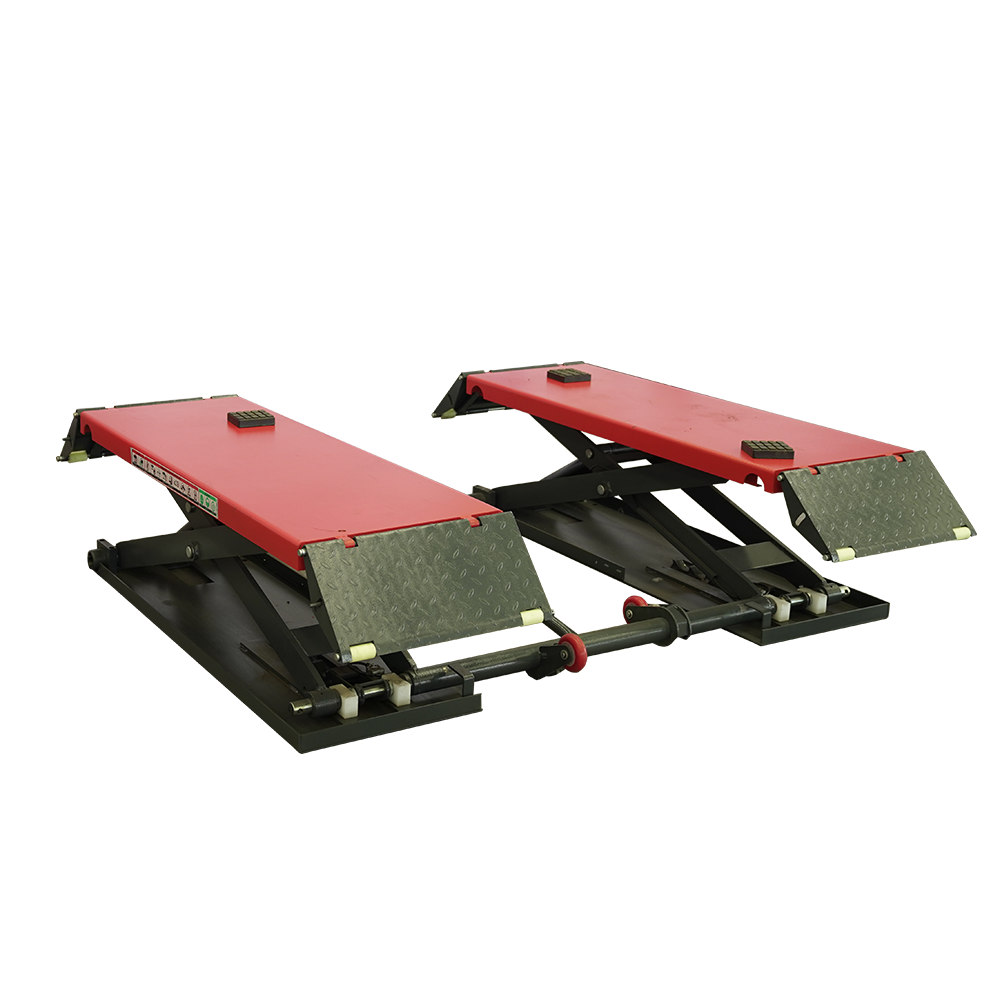
Vehicle maintenance efficiency has become a critical factor in determining the success of automotive service facilities, repair shops, and industrial maintenance operations. Modern service centers face increasing pressure to deliver faster turnaround times while maintaining exceptional quality standards. The integration of advanced lifting equipment has revolutionized how technicians approach vehicle servicing, transforming traditional maintenance workflows into streamlined, efficient processes that maximize productivity and profitability.
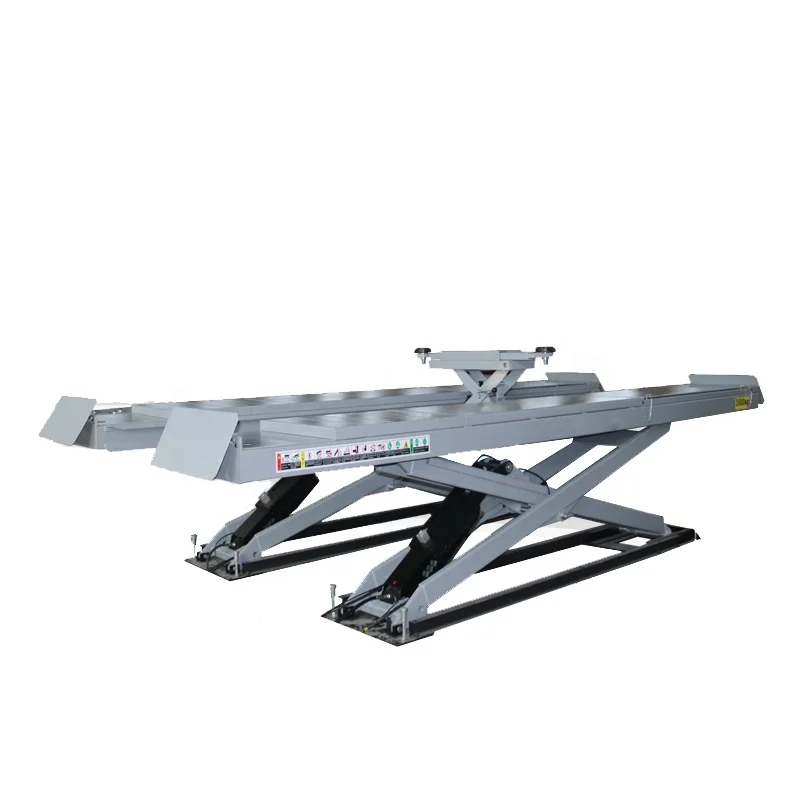
The automotive service industry continues to evolve rapidly, driven by technological advances and changing consumer expectations. Service facilities must adapt their operations to accommodate increasingly complex vehicle systems while meeting strict safety regulations and environmental standards. Professional lifting solutions have emerged as essential tools that enable technicians to work more effectively, reducing physical strain while improving access to critical vehicle components. This technological advancement has fundamentally changed how maintenance operations are planned, executed, and completed across various automotive sectors.
Understanding the comprehensive impact of professional lifting equipment on maintenance efficiency requires examining multiple operational aspects, from initial setup procedures to long-term productivity gains. Modern automotive facilities rely on these systems to optimize workflow patterns, enhance safety protocols, and deliver consistent service quality that meets contemporary industry standards.
Operational Efficiency Enhancement Through Advanced Lifting Systems
Workflow Optimization and Time Management
Professional automotive lifting systems dramatically reduce the time required for routine maintenance tasks by providing technicians with optimal working positions and unrestricted access to vehicle undercarriages. Traditional maintenance methods often require technicians to work in cramped, uncomfortable positions that slow progress and increase fatigue. Modern lifting solutions eliminate these constraints, allowing service teams to complete inspections, repairs, and maintenance procedures in significantly less time while maintaining superior quality standards.
Time savings extend beyond individual task completion to encompass entire service workflows. Advanced lifting equipment enables technicians to transition seamlessly between different maintenance activities without the delays associated with repositioning vehicles or adjusting work environments. This seamless workflow integration results in substantial productivity improvements that directly impact facility profitability and customer satisfaction levels.
Service scheduling becomes more predictable and reliable when facilities utilize professional lifting equipment, as maintenance procedures can be completed within consistent timeframes. This predictability allows service managers to optimize appointment scheduling, reduce customer wait times, and improve overall operational efficiency across all service departments.
Enhanced Safety Protocols and Risk Reduction
Safety considerations represent a fundamental aspect of modern automotive service operations, with professional lifting systems providing crucial protection for both technicians and vehicles. Advanced lifting equipment incorporates multiple safety mechanisms, including automatic locking systems, overload protection, and fail-safe mechanisms that prevent accidents and equipment failures during maintenance procedures.
Ergonomic improvements resulting from proper lifting equipment significantly reduce the risk of workplace injuries associated with traditional maintenance methods. Technicians can maintain comfortable working positions throughout service procedures, reducing physical strain and minimizing the likelihood of repetitive stress injuries that commonly affect automotive service professionals.
Professional lifting systems also enhance vehicle safety during maintenance procedures by providing stable, secure support that prevents accidental movement or damage. This stability is particularly important when working on heavy commercial vehicles or performing complex repairs that require extended service times.
Technical Advantages of Modern Lifting Solutions
Precision Control and Positioning Capabilities
Contemporary car lifts incorporate sophisticated control systems that allow technicians to position vehicles with exceptional precision, enabling access to specific components and systems that would be difficult or impossible to reach using conventional methods. This precision positioning capability is essential for complex diagnostic procedures, detailed inspections, and specialized repair work that requires exact alignment and positioning.
Variable height adjustment features provide technicians with the flexibility to optimize working conditions for different types of maintenance tasks. Whether performing routine oil changes, comprehensive inspections, or major repair procedures, technicians can adjust vehicle positioning to achieve ideal working angles and access points that maximize efficiency and accuracy.
Advanced positioning systems also accommodate vehicles of varying sizes and configurations, from compact passenger cars to large commercial trucks. This versatility ensures that service facilities can handle diverse vehicle types without requiring multiple specialized lifting systems, optimizing equipment investment and facility space utilization.
Durability and Long-Term Performance
Professional automotive lifting equipment is engineered to withstand the demanding conditions of commercial service environments, featuring robust construction materials and components that deliver consistent performance over extended operational periods. Heavy-duty hydraulic systems, reinforced structural elements, and precision-manufactured components ensure reliable operation even under continuous use conditions typical of busy service facilities.
Maintenance requirements for modern lifting systems are minimal compared to older equipment designs, with advanced sealing systems, corrosion-resistant materials, and simplified service procedures that reduce downtime and maintenance costs. This reliability translates directly into improved operational efficiency, as facilities can depend on consistent equipment availability without unexpected interruptions or costly repair procedures.
Long-term performance characteristics of professional lifting equipment make them excellent investments for service facilities planning to optimize maintenance efficiency over multiple years. The combination of durability, reliability, and consistent performance ensures that initial equipment investments continue to provide operational benefits throughout the equipment's extended service life.
Economic Impact and Return on Investment
Productivity Improvements and Revenue Generation
The implementation of professional lifting systems generates measurable improvements in service facility productivity, with many operations reporting significant increases in daily service capacity following equipment installation. Enhanced productivity directly translates into increased revenue potential, as facilities can serve more customers while maintaining consistent service quality standards.
Labor efficiency gains resulting from advanced lifting equipment allow service facilities to optimize staffing levels and allocate technician time more effectively across different service departments. This optimization reduces operational costs while maintaining or improving service quality, contributing to improved profit margins and competitive positioning within local markets.
Customer satisfaction improvements associated with faster service delivery and consistent quality standards often lead to increased customer retention rates and positive referrals. These indirect benefits contribute to long-term revenue growth that extends far beyond the immediate productivity improvements provided by professional lifting equipment.
Cost Reduction Through Operational Efficiency
Professional lifting systems reduce various operational costs associated with traditional maintenance methods, including reduced labor time requirements, lower injury-related expenses, and decreased equipment wear resulting from improved maintenance procedures. These cost reductions accumulate over time to provide substantial savings that often exceed initial equipment investment costs.
Energy efficiency features incorporated into modern lifting equipment help reduce facility utility costs while supporting environmental sustainability initiatives. Advanced hydraulic systems, efficient motor designs, and optimized operational cycles minimize power consumption without compromising performance or reliability.
Maintenance cost reductions extend to vehicles serviced using professional lifting equipment, as technicians can perform more thorough inspections and maintenance procedures that prevent minor issues from developing into major problems requiring expensive repairs. This preventive maintenance capability adds value for customers while building long-term service relationships.
Industry Applications and Versatility
Commercial Service Facility Integration
Commercial automotive service facilities benefit enormously from professional lifting systems that accommodate diverse vehicle types and service requirements. From routine maintenance procedures to complex diagnostic work, modern lifting equipment provides the versatility and capability needed to handle varied service demands efficiently and effectively.
Fleet maintenance operations particularly benefit from standardized lifting solutions that streamline maintenance procedures across multiple vehicle types. Consistent equipment and procedures reduce training requirements while ensuring uniform service quality regardless of which technician performs specific maintenance tasks.
Specialty service applications, including alignment procedures, exhaust system work, and transmission services, require precise vehicle positioning that professional lifting equipment provides reliably. This precision capability enables service facilities to expand their service offerings and capture additional revenue opportunities within their market areas.
Industrial and Heavy-Duty Applications
Industrial maintenance facilities working with commercial trucks, construction equipment, and specialized vehicles require lifting solutions capable of handling substantial weight loads while providing safe, reliable operation. Professional lifting systems designed for heavy-duty applications incorporate enhanced structural components and advanced safety systems that meet the demanding requirements of industrial maintenance operations.
Manufacturing facilities utilizing professional lifting equipment for vehicle assembly, inspection, and quality control procedures benefit from consistent positioning accuracy and reliable performance that supports high-volume production requirements. Integration with existing facility systems and automation capabilities further enhance operational efficiency and quality control processes.
Specialized applications including emergency vehicle maintenance, military equipment servicing, and custom vehicle modifications require lifting solutions that provide exceptional versatility and reliability under demanding operational conditions. Professional lifting equipment meets these specialized requirements while maintaining the safety and performance standards essential for critical vehicle maintenance applications.
Technology Integration and Future Developments
Digital Control Systems and Automation
Contemporary lifting systems incorporate sophisticated digital control technologies that enhance operational efficiency while providing advanced monitoring and diagnostic capabilities. These digital systems enable precise control over lifting operations while maintaining detailed operational logs that support maintenance planning and quality assurance procedures.
Integration with facility management systems allows lifting equipment to communicate operational status, maintenance requirements, and performance data that helps optimize facility operations and equipment utilization. This connectivity supports predictive maintenance strategies that minimize downtime while maximizing equipment availability and performance.
Remote monitoring capabilities enable service managers to track equipment performance, identify potential issues before they impact operations, and optimize maintenance scheduling to minimize disruptions to facility productivity. These advanced monitoring systems contribute to improved operational efficiency and reduced maintenance costs over the equipment's operational life.
Environmental Considerations and Sustainability
Modern lifting equipment incorporates environmental sustainability features that reduce facility environmental impact while supporting corporate sustainability initiatives. Energy-efficient designs, recyclable materials, and reduced fluid consumption contribute to environmental responsibility while maintaining superior operational performance.
Noise reduction technologies incorporated into contemporary lifting systems create more comfortable working environments while reducing facility noise pollution. These improvements support employee satisfaction and community relations while maintaining the high performance standards required for professional automotive service operations.
Sustainable manufacturing processes and extended equipment life cycles reduce the environmental impact associated with lifting equipment procurement and operation. These environmental benefits align with growing industry emphasis on sustainability while providing operational advantages that support long-term facility success.
FAQ
How do professional lifting systems improve maintenance efficiency compared to traditional methods
Professional lifting systems significantly improve maintenance efficiency by providing technicians with optimal working positions, unrestricted access to vehicle components, and precise positioning control. These advantages reduce service time, improve work quality, and minimize physical strain on technicians, resulting in faster completion times and higher productivity levels compared to traditional maintenance methods.
What safety features should facilities consider when selecting lifting equipment
Essential safety features include automatic locking mechanisms, overload protection systems, emergency stop controls, and fail-safe backup systems. Additionally, facilities should prioritize equipment with proper safety certifications, comprehensive training programs, and ongoing maintenance support to ensure continued safe operation throughout the equipment's service life.
How quickly can facilities expect to see return on investment from professional lifting equipment
Most facilities begin seeing productivity improvements immediately upon installation, with full return on investment typically achieved within 12 to 24 months depending on facility size and usage patterns. Factors including increased service capacity, reduced labor costs, improved customer satisfaction, and decreased workplace injuries contribute to rapid payback periods that justify initial equipment investments.
What maintenance requirements are associated with professional automotive lifting systems
Modern lifting systems require minimal routine maintenance, typically consisting of periodic inspections, hydraulic fluid changes, and basic lubrication procedures. Professional equipment manufacturers provide comprehensive maintenance schedules and support services that help facilities maintain optimal performance while minimizing maintenance costs and operational disruptions.
Table of Contents
- Operational Efficiency Enhancement Through Advanced Lifting Systems
- Technical Advantages of Modern Lifting Solutions
- Economic Impact and Return on Investment
- Industry Applications and Versatility
- Technology Integration and Future Developments
-
FAQ
- How do professional lifting systems improve maintenance efficiency compared to traditional methods
- What safety features should facilities consider when selecting lifting equipment
- How quickly can facilities expect to see return on investment from professional lifting equipment
- What maintenance requirements are associated with professional automotive lifting systems