 EN
EN
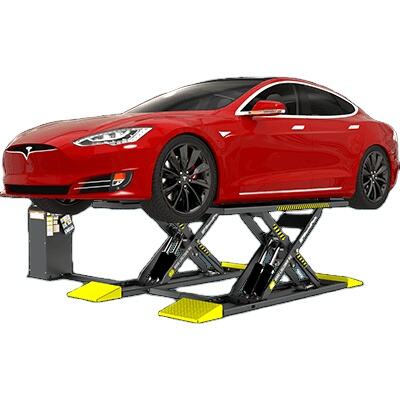
Modern automotive workshops face increasing pressure to maximize efficiency while maintaining high service quality standards. Workshop owners constantly seek equipment solutions that can streamline operations, reduce labor time, and improve overall productivity. A scissor car lift represents one of the most significant investments a workshop can make to enhance operational efficiency. These hydraulic lifting systems transform traditional ground-level maintenance into elevated, ergonomic work environments that benefit both technicians and business operations. The implementation of proper lifting equipment directly correlates with improved workflow, enhanced safety protocols, and increased revenue potential for automotive service facilities.
Enhanced Workspace Accessibility and Ergonomics
Improved Technician Positioning
The primary advantage of a scissor car lift lies in its ability to elevate vehicles to optimal working heights, eliminating the need for technicians to work in cramped, uncomfortable positions. Traditional floor-level maintenance forces mechanics to crawl under vehicles, kneel for extended periods, or work in awkward angles that can lead to fatigue and potential injury. With a scissor car lift, technicians can adjust vehicle height to match their natural working posture, reducing physical strain and improving work quality. This ergonomic improvement directly translates to increased productivity as workers can maintain focus and energy throughout longer service intervals.
The elevated position provided by scissor lifting systems allows technicians to access undercarriage components, exhaust systems, and suspension elements with greater ease and precision. This accessibility improvement reduces the time required for diagnostic procedures and routine maintenance tasks. Workshop efficiency increases significantly when technicians can comfortably reach all vehicle areas without repositioning themselves multiple times during a single service appointment. The result is faster turnaround times and improved customer satisfaction rates.
Optimal Lighting and Visibility
When vehicles are elevated on a scissor car lift, workshop lighting reaches previously shadowed areas more effectively. Ground-level maintenance often requires additional portable lighting equipment to illuminate work areas adequately. Elevated positioning naturally improves visibility by allowing overhead lighting to penetrate undercarriage spaces and engine compartments. This enhanced visibility reduces diagnostic time and minimizes the risk of overlooking potential issues during inspections.
Better lighting conditions contribute to improved work quality and reduce the likelihood of repeated services due to missed problems. Technicians can identify issues more quickly and accurately when they have clear visual access to all vehicle components. This improved diagnostic capability enhances workshop reputation and customer trust while reducing warranty claims and comeback appointments.
Streamlined Service Operations
Faster Vehicle Processing
A scissor car lift significantly reduces the time required for common automotive services such as oil changes, brake repairs, exhaust work, and suspension maintenance. Traditional pit-based or floor-level service methods require additional setup time, safety preparations, and tool positioning that can add substantial minutes to each service appointment. Hydraulic lifting systems eliminate these preliminary steps while providing instant access to vehicle undercarriage areas.
The time savings achieved with scissor lifting equipment compound throughout the working day, allowing workshops to accommodate more customers and increase daily revenue potential. Service bays equipped with proper lifting systems can typically handle 20-30% more appointments compared to traditional floor-level service areas. This increased throughput directly impacts workshop profitability while improving customer convenience through reduced waiting times.
Multi-Service Capability
Modern scissor car lifts accommodate various vehicle types and weights, making them versatile tools for diverse service requirements. From compact passenger cars to light commercial vehicles, a quality scissor car lift can handle multiple vehicle categories within a single service bay. This versatility eliminates the need for specialized equipment for different vehicle types, reducing equipment costs and space requirements.
The ability to service various vehicle types on the same equipment improves workshop scheduling flexibility and resource allocation. Technicians can transition between different service types without equipment changes, maintaining workflow continuity throughout busy periods. This operational flexibility proves particularly valuable during peak service seasons when customer demand exceeds normal capacity.
Safety and Risk Reduction
Enhanced Workplace Safety
Scissor car lift systems incorporate multiple safety features that protect both technicians and vehicles during service operations. Modern hydraulic lifting equipment includes safety locks, pressure relief valves, and emergency descent controls that prevent accidental lowering or equipment failure. These safety systems significantly reduce workplace injury risks compared to traditional jack stands or pit-based service methods.
The stable, secure platform provided by scissor lifting systems eliminates concerns about vehicle movement during service procedures. Technicians can work confidently knowing that vehicles remain securely positioned throughout maintenance operations. This stability reduces stress and allows workers to focus entirely on service quality rather than safety concerns.
Reduced Physical Strain
By eliminating the need for technicians to work in cramped positions under vehicles, scissor car lift equipment reduces the risk of repetitive stress injuries and back problems commonly associated with automotive service work. The ergonomic benefits of elevated working positions extend technician career longevity while improving daily job satisfaction and performance quality.
Workshops that prioritize technician safety and comfort through proper equipment investment typically experience lower employee turnover rates and reduced workers' compensation claims. These factors contribute to overall operational efficiency by maintaining experienced workforce stability and reducing training costs for replacement personnel.
Space Optimization and Workshop Layout
Efficient Floor Plan Utilization
Scissor car lift installations optimize workshop floor space utilization compared to traditional pit-based systems. Underground pits require significant excavation work, drainage systems, and dedicated ventilation equipment that consumes valuable workshop real estate. Above-ground scissor lifting systems maximize available floor space while providing superior lifting capabilities.
The compact footprint of modern scissor lifting equipment allows workshops to accommodate more service bays within existing facilities. This space efficiency enables business expansion without requiring facility relocation or major construction projects. Workshop owners can increase service capacity while maintaining reasonable overhead costs.
Flexible Installation Options
Modern scissor car lift systems offer various installation configurations to match specific workshop requirements and space constraints. Surface-mounted, flush-mounted, and portable options provide flexibility for different facility types and service needs. This installation versatility allows workshops to optimize equipment placement for maximum operational efficiency.
The ability to relocate or reconfigure scissor lifting equipment provides long-term flexibility as workshop needs evolve. Unlike permanent pit installations, hydraulic lifting systems can be moved or upgraded without major facility modifications. This adaptability protects equipment investment value while supporting business growth and changing service requirements.
Cost-Effectiveness and Return on Investment
Increased Service Capacity
The efficiency improvements provided by scissor car lift equipment directly translate to increased daily service capacity and revenue generation. Workshops equipped with proper lifting systems can typically complete 15-25% more services per day compared to facilities using traditional methods. This increased throughput generates substantial revenue improvements that quickly offset equipment investment costs.
The improved service quality and customer satisfaction achieved through efficient scissor lifting operations also contribute to repeat business and positive referrals. Satisfied customers return for future services and recommend the workshop to others, creating sustainable revenue growth that extends well beyond initial equipment payback periods.
Reduced Operating Costs
Scissor car lift systems reduce various operating costs through improved efficiency, reduced labor time, and decreased equipment maintenance requirements. The streamlined service processes enabled by hydraulic lifting equipment require fewer labor hours per service appointment, reducing payroll costs while maintaining service quality standards.
The enhanced safety features and ergonomic benefits of scissor lifting systems also contribute to reduced workers' compensation insurance costs and lower employee turnover rates. These indirect cost savings accumulate over time, further improving the long-term return on equipment investment.
FAQ
What types of vehicles can be serviced on a scissor car lift
Most modern scissor car lift systems can accommodate passenger cars, light trucks, SUVs, and commercial vehicles up to their specified weight capacity, typically ranging from 6,000 to 15,000 pounds. The adjustable lifting points and platform configurations make these systems suitable for various vehicle wheelbases and ground clearances. Always verify that specific vehicle weights and dimensions fall within the lift's operational parameters before use.
How much space is required for scissor car lift installation
Standard scissor car lift installations require approximately 12-14 feet in length and 8-10 feet in width, with minimum ceiling heights of 11-12 feet for proper operation. Additional clearance space around the lift ensures safe vehicle positioning and technician movement. Specific space requirements vary by manufacturer and model, so consultation with equipment suppliers ensures proper facility planning.
What maintenance is required for scissor lifting equipment
Regular maintenance for scissor car lift systems includes monthly hydraulic fluid level checks, quarterly safety system inspections, and annual professional servicing by certified technicians. Daily visual inspections of lifting points, cables, and safety mechanisms ensure continued safe operation. Following manufacturer maintenance schedules and using recommended hydraulic fluids maximizes equipment longevity and reliability.
How do scissor lifts compare to other automotive lifting systems
Scissor car lift systems offer superior stability and weight distribution compared to two-post or four-post lifts, making them ideal for heavy-duty applications and unibody vehicle services. They provide full undercarriage access without lift posts obstructing work areas, unlike column-based systems. While scissor lifts require more floor space than some alternatives, they offer greater versatility and safety for comprehensive automotive service operations.