 EN
EN
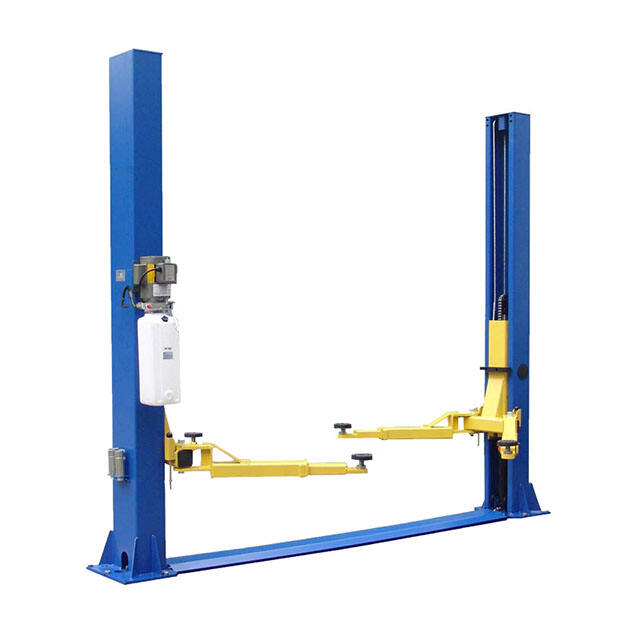
Warsztaty naprawcze samochodów stoją w obliczu ciągłych wyzwań związanych z bezpieczeństwem, które wymagają zaawansowanych rozwiązań chroniących zarówno techników, jak i klientów. Nowoczesne podnośniki samochodowe stały się kluczowymi urządzeniami bezpieczeństwa, które przekształcają tradycyjne środowiska naprawcze w bezpieczne i wydajne miejsca pracy. Te hydrauliczne systemy eliminują wiele zagrożeń związanych z konserwacją pojazdów, zapewniając jednocześnie technikom optymalny dostęp do podzespołów podwozia. Profesjonalne warsztaty naprawcze zdają sobie sprawę, że inwestycja w wysokiej jakości sprzęt do podnoszenia bezpośrednio przekłada się na zmniejszenie liczby urazów w miejscu pracy, poprawę wydajności i zwiększenie możliwości serwisowych. Integracja zaawansowanych funkcji bezpieczeństwa we współczesnych podnośnikach samochodowych zrewolucjonizowała sposób, w jaki specjaliści z branży motoryzacyjnej podchodzą do procedur serwisowania i konserwacji pojazdów.
Podstawowe funkcje bezpieczeństwa nowoczesnych podnośników samochodowych
Niezawodność systemu hydraulicznego i mechanizmy awaryjne
Nowoczesne podnośniki samochodowe są wyposażone w wiele hydraulicznych systemów bezpieczeństwa zaprojektowanych w celu zapobiegania katastrofalnym awariom podczas pracy. Zaawansowane siłowniki hydrauliczne posiadają wbudowane zawory przelewowe, które automatycznie uruchamiają się, gdy ciśnienie w systemie przekracza dopuszczalne parametry pracy. Te bezpieczne mechanizmy gwarantują, że pojazdy pozostają bezpiecznie ustalone, nawet jeśli główne ciśnienie hydrauliczne zostanie naruszone. Wiele systemów rezerwowych działa jednocześnie, monitorując poziom cieczy hydraulicznej, stałość ciśnienia oraz synchronizację siłowników w całym procesie podnoszenia.
Hydrauliczne systemy profesjonalnej klasy wykorzystują specjalistyczne elementy uszczelniające, które wytrzymują skrajne wahania ciśnienia, zapewniając jednocześnie stabilną wydajność przez dłuższy czas. Regularne protokoły konserwacji komponentów hydraulicznych obejmują testowanie ciśnienia, analizę cieczy oraz kontrolę uszczelek w celu zapobiegania nieoczekiwanym awariom systemu. Wdrożenie automatycznych systemów odpowietrzania eliminuje pęcherzyki powietrza, które mogą naruszyć stabilność podnoszenia i bezpieczeństwo pracy. Nowoczesne sterowniki hydrauliczne oferują precyzyjne możliwości pozycjonowania, umożliwiając technikom osiąganie optymalnych wysokości roboczych przy jednoczesnym zachowaniu stabilności pojazdu.
Integralność Konstrukcyjna i Systemy Rozkładu Obciążenia
Wytrzymała stalowa konstrukcja stanowi podstawę bezpiecznego działania podnośnika samochodowego, z wzmocnionymi słupami i krzyżowymi wzmocnieniami zaprojektowanymi z myślą o przekraczaniu wytycznych producenta dotyczących udźwigu. Systemy strategicznego rozdziału obciążenia zapewniają równomierne rozłożenie masy pojazdu na punktach podnoszenia, uniemożliwiając powstawanie skupisk naprężeń, które mogą prowadzić do uszkodzeń konstrukcyjnych. Zaawansowane obliczenia inżynierskie określają optymalne ustawienie ramion podnośnika oraz położenie punktów podparcia, dostosowane do różnych konfiguracji pojazdów i rozkładów masy. Podnośniki wysokiej jakości są poddawane rygorystycznym testom obciążeń, aby potwierdzić integralność konstrukcyjną przy maksymalnym obciążeniu oraz dynamicznych naprężeniach eksploatacyjnych.
Certyfikowane procedury spawania i badania materiałów zapewniają, że wszystkie elementy konstrukcyjne spełniają lub przekraczają branżowe standardy bezpieczeństwa dotyczące urządzeń do podnoszenia pojazdów. Regularne inspekcje konstrukcji pozwalają wykryć potencjalne miejsca zużycia, pęknięcia naprężeniowe lub degradację komponentów zanim zagrożą bezpieczeństwu pracy. Zastosowanie wzmocnionych podpór podnoszących oraz regulowanych ramion wsporczych pozwala na obsługę różnych typów pojazdów przy jednoczesnym zachowaniu optymalnego rozkładu ciężaru. Profesjonalne procedury instalacji obejmują przygotowanie fundamentu, specyfikację kotwiących śrub oraz weryfikację prawidłowego ustawienia konstrukcji w celu zapewnienia długoterminowego bezpieczeństwa eksploatacji.
Protokoły i najlepsze praktyki bezpieczeństwa pracy
Procedury przeglądowe przed rozpoczęciem pracy
Kompleksowe inspekcje przed rozpoczęciem pracy stanowią podstawę bezpiecznego użytkowania podnośników samochodowych i wymagają od techników sprawdzenia wszystkich systemów bezpieczeństwa przed każdym użyciem. Kontrole wizualne obejmują sprawdzanie poziomu cieczy hydraulicznej, badanie lin podnoszących pod kątem porysowań lub uszkodzeń oraz weryfikację prawidłowego ustawienia ramion podnoszących i podkładek podpierających. Procedury testów eksploatacyjnych polegają na przeprowadzeniu podnośnika przez pełny zakres ruchu w celu wykrycia nietypowych dźwięków, drgań lub nieprawidłowości mechanicznych. Dokumentowanie wyników inspekcji zapewnia odpowiedzialność oraz pomaga identyfikować powtarzające się problemy, które mogą wymagać interwencji w zakresie konserwacji preventywnej.
Listy kontrolne dotyczące bezpieczeństwa zapewniają spójne protokoły inspekcji dla wszystkich techników i zmian, zmniejszając prawdopodobieństwo pominięcia lub nieprzeprowadzenia krytycznych kontroli bezpieczeństwa. Elektroniczne systemy monitoringu mogą automatycznie rejestrować dane inspekcyjne i powiadamiać nadzorców o zaległych konserwacjach lub wymaganiach kontrolnych. Programy szkoleniowe podkreślają znaczenie dokładnych procedur przed rozpoczęciem pracy i zapewniają technikom wiedzę niezbędną do identyfikowania potencjalnych zagrożeń bezpieczeństwa zanim doprowadzą one do wypadków lub awarii sprzętu.
Poprawne techniki pozycjonowania i zabezpieczania pojazdu
Dokładne pozycjonowanie pojazdu na podnośnik samochodowy systemy wymagają precyzyjnego dopasowania punktów podnoszenia do obszarów styku określonych przez producenta, aby zapewnić bezpieczne i stabilne podniesienie. Technicy profesjonalni korzystają z diagramów punktów podnoszenia właściwych dla konkretnego pojazdu, aby zidentyfikować optymalne miejsca podparcia, które równomiernie rozkładają ciężar, unikając przy tym uszkodzeń wrażliwych komponentów. Regulowane ramiona podnoszące dostosowują się do różnych długości rozstawu osi i szerokości toru, umożliwiając prawidłowe pozycjonowanie dla różnych typów i konfiguracji pojazdów. Protokoły bezpieczeństwa wymagają zweryfikowania zamocowania w punktach podnoszenia przed uruchomieniem procedury podnoszenia, aby zapobiec poślizgowi lub niestabilności pojazdu.
Systemy drugich zabezpieczeń, w tym zamki bezpieczeństwa i ograniczniki mechaniczne, zapewniają dodatkowe bezpieczeństwo po osiągnięciu pojazdów wymaganej wysokości roboczej. Te systemy rezerwowe uruchamiają się automatycznie w ustalonych odstępach, tworząc wiele pozycji awaryjnych zapobiegających przypadkowemu opuszczeniu podczas prac konserwacyjnych. Do odpowiednich metod zabezpieczania należy również stosowanie klinów pod koła, załączanie hamulca ręcznego oraz ustawienie skrzyni biegów w celu minimalizacji ruchu pojazdu podczas operacji podnoszenia. Jasne protokoły komunikacji zapewniają, że wszyscy pracownicy są poinformowani o trwających operacjach podnoszenia i zachowują bezpieczny dystans podczas pracy urządzeń.
Typy podnośników samochodowych i ich konkretne korzyści bezpieczeństwa
Podnośniki dwukolumnowe i korzyści wynikające z asymetrycznej konstrukcji
Podnośniki dwukolumnowe oferują wyjątkową widoczność i dostęp do podwozia pojazdów, jednocześnie zapewniając zaawansowane funkcje bezpieczeństwa chroniące zarówno sprzęt, jak i personel. Asymetryczne rozmieszczenie kolumn zapewnia optymalny rozkład ciężaru dla nowoczesnych konstrukcji pojazdów, umożliwiając obsługę konfiguracji z przesuniętym ciężarem do przodu przy jednoczesnym zachowaniu stabilności w całym procesie podnoszenia. Elektroniczne systemy monitorowania obciążenia ciągle śledzą rozkład masy między kolumnami, ostrzegając operatorów przed potencjalnie niebezpiecznymi warunkami obciążenia, zanim zagrożą one stabilności podnośnika. Zaawansowane systemy lin i bloków zapewniają zsynchronizowany ruch podnoszenia, uniemożliwiający przechylanie się pojazdu lub nierównomierne podnoszenie.
Mechanizmy bezpieczeństwa umożliwiają kontrolowane awaryjne opuszczanie w przypadku awarii zasilania lub usterki systemu hydraulicznego, zapewniając technikom procedury awaryjne umożliwiające bezpieczne ewakuowanie pojazdów ze wzniesionych pozycji. Automatyczne systemy blokady ramion uniemożliwiają swobodne kołysanie się ramion podnoszących, gdy nie są one połączone z pojazdami, zmniejszając ryzyko kolizji w zatłoczonych warsztatach. Regulowane w wysokości zamki bezpieczeństwa oferują wiele pozycji zabezpieczenia dostosowanych do różnych wysokości roboczych, zapewniając pewne mechaniczne zazębienie niezależne od ciśnienia hydraulicznego.
Podnośniki czteropunktowe i wygoda wjazdu
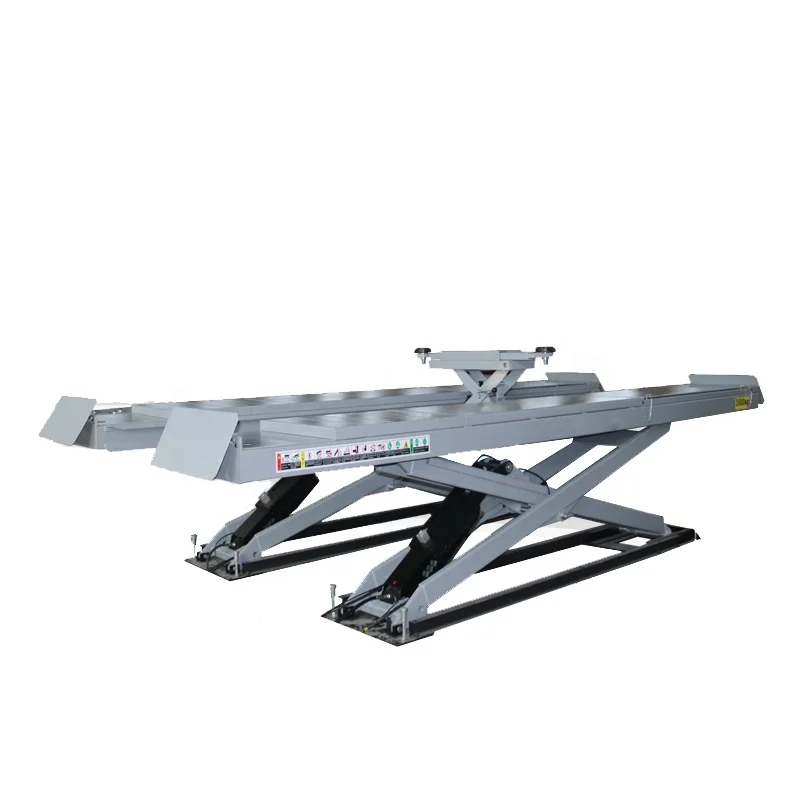
Podnośniki czteropunktowe eliminują skomplikowanie pozycjonowania pojazdów, umożliwiając bezpośredni wjazd na podnośnik, co zmniejsza ryzyko nieprawidłowego zaangażowania punktów podnoszenia, które może wystąpić w systemach dwupunktowych. Zintegrowane systemy torów zapewniają stabilne platformy wspierające pojazdy w wielu punktach kontaktu, równomiernie rozkładając obciążenie w porównaniu do tradycyjnych konfiguracji ramion podnoszących. Cechy bezpieczeństwa obejmują automatyczne zatrzymanie kół zapobiegające stoczeniu się pojazdu z podniesionej platformy oraz przyciski awaryjnego zatrzymania natychmiast przerywające operację podnoszenia, jeśli przekroczono parametry bezpieczeństwa. Blokady mechaniczne aktywują się w regularnych odstępach na całym zakresie podnoszenia, zapewniając niezależne od układu hydraulicznego mechaniczne wsparcie.
Zabudowane mosty jezdne zapewniają pełny dostęp do podwozia, zachowując przy tym korzyści wynikające z wygody wjazdu pojazdu, łącząc zalety obu typów podnośników w jednym systemie. Zintegrowane rampy zapewniają płynny wjazd i wyjazd pojazdu oraz zawierają funkcje bezpieczeństwa, takie jak powierzchnie przeciwwśliskie i odpowiednie odprowadzanie cieczy, aby zapobiec gromadzeniu się substancji, które mogą stanowić zagrożenie związane z poślizgiem. Sterowanie elektroniczne obejmuje blokady bezpieczeństwa, które uniemożliwiają działanie urządzenia, chyba że wszystkie systemy bezpieczeństwa są prawidłowo aktywowane i zweryfikowane.
Wymagania konserwacyjne dla optymalnej wydajności bezpieczeństwa
Harmonogramowanie i dokumentacja przeglądów zapobiegawczych
Systematyczne programy przeglądów zapobiegawczych zapewniają, że podnośniki samochodowe będą bezpiecznie działać przez cały okres ich użytkowania, dzięki planowym inspekcjom i wymianie komponentów zgodnie z zaleceniami producenta oraz wzorcami wykorzystania. Szczegółowe rejestry konserwacji dokumentują wszystkie czynności serwisowe, wymiany komponentów oraz pomiary wydajności, aby wykryć trendy wskazujące na powstające problemy, zanim zagrożą one bezpieczeństwu. Technicy serwisowi stosują specjalistyczne narzędzia i procedury w celu sprawdzenia poprawnego działania wszystkich systemów bezpieczeństwa, w tym testowanie ciśnienia hydraulicznego, weryfikację układu elektrycznego oraz kontrolę stanu komponentów mechanicznych.
Zgodność ze standardami branżowymi wymaga regularnych inspekcji certyfikacyjnych przeprowadzanych przez wykwalifikowany personel, który może wykryć potencjalne zagrożenia bezpieczeństwa i zweryfikować ciągłą zgodność z obowiązującymi przepisami bezpieczeństwa. Wymagania dotyczące dokumentacji obejmują rejestry konserwacji, certyfikaty przeglądów oraz potwierdzenia szkoleń operatorów w celu zademonstrowania trwającego zaangażowania w bezpieczną eksploatację. Technologie konserwacji predykcyjnej mogą nieprzerwanie monitorować wydajność sprzętu, powiadamiając personel serwisowy o pojawiających się problemach, zanim dojdzie do awarii sprzętu lub naruszenia bezpieczeństwa.
Rozważania dotyczące wymiany i modernizacji komponentów
Regularna wymiana elementów podlegających zużyciu, takich jak uszczelki hydrauliczne, linie podnoszące i zamki bezpieczeństwa, zapewnia optymalną wydajność pod względem bezpieczeństwa oraz zapobiega nieoczekiwanym awariom, które mogą zagrozić bezpieczeństwu pracy. Nowoczesne funkcje bezpieczeństwa, w tym zaawansowane sterowanie elektroniczne i systemy monitorujące, mogą być dodatkowo montowane do istniejącego sprzętu w celu poprawy właściwości bezpieczeństwa i wydłużenia czasu użytkowania. Wysokiej jakości komponenty zamiennicze spełniające lub przekraczające specyfikacje oryginalnego wyposażenia gwarantują ciągłe przestrzeganie norm bezpieczeństwa oraz utrzymanie niezawodnych cech eksploatacyjnych.
Profesjonalna instalacja komponentów zamiennych odbywa się zgodnie z zaleceniami producenta i najlepszymi praktykami branżowymi, aby zapewnić prawidłową integrację z istniejącymi systemami bezpieczeństwa. Kompleksowe procedury testowania weryfikują poprawne działanie wszystkich funkcji bezpieczeństwa po wymianie komponentów lub aktualizacji systemu. Programy szkoleniowe zapewniają personelowi konserwacyjnemu aktualną wiedzę na temat nowoczesnych technologii i procedur bezpieczeństwa, gwarantując, że wszelkie prace serwisowe są wykonywane z zachowaniem najwyższych standardów bezpieczeństwa.
Szkolenia i certyfikacja dla bezpiecznej eksploatacji
Programy szkoleniowe dla operatorów i weryfikacja kwalifikacji
Kompleksowe programy szkoleniowe dla operatorów zapewniają technikom niezbędną wiedzę na temat systemów bezpieczeństwa podnośników samochodowych, właściwych procedur eksploatacji oraz protokołów reagowania w sytuacjach awaryjnych, aby zagwarantować bezpieczne użytkowanie sprzętu. Elementy szkolenia praktycznego obejmują ćwiczenia z zakresu pozycjonowania pojazdów, weryfikacji systemów bezpieczeństwa i postępowania w nagłych wypadkach pod nadzorem instruktorów posiadających odpowiednie certyfikaty. Procesy weryfikacji kompetencji obejmują egzaminy pisemne oraz demonstracje praktyczne potwierdzające zrozumienie przez operatora zasad bezpieczeństwa i poprawnych technik obsługi sprzętu.
Wymagania dotyczące szkoleń uzupełniających zapewniają, że operatorzy są na bieżąco z ewoluującymi standardami bezpieczeństwa, technologiami sprzętu oraz najlepszymi praktykami przez cały okres swojej kariery. Regularne szkolenia doszkalające obejmują najczęstsze naruszenia bezpieczeństwa, utrwalają poprawne procedury i wprowadzają nowe technologie bezpieczeństwa w miarę ich pojawiania się. Dokumentacja ukończenia szkoleń oraz weryfikacja kompetencji zapewniają odpowiedzialność i potwierdzają zgodność z wymaganiami dotyczącymi bezpieczeństwa na stanowisku pracy.
Nadzór kierowniczy i rozwój kultury bezpieczeństwa
Skuteczne nadzorowanie obejmuje regularną obserwację operacji podnoszenia samochodów, natychmiastowe korygowanie niebezpiecznych praktyk oraz ciągłe przypominanie zasad bezpieczeństwa w celu zapewnienia konsekwentnego przestrzegania ustalonych procedur. Rozwój kultury bezpieczeństwa podkreśla osobistą odpowiedzialność za bezpieczeństwo sprzętu i zachęca do otwartej komunikacji na temat potencjalnych zagrożeń lub możliwości usprawnień. Programy uznaniowe nagradzają bezpieczne praktyki operacyjne i wspierają ciągłą poprawę wyników bezpieczeństwa we wszystkich obszarach działalności.
Regularne spotkania bezpieczeństwa zapewniają forum do omawiania kwestii związanych z bezpieczeństwem, dzielenia się najlepszymi praktykami oraz wprowadzania nowych inicjatyw bezpieczeństwa, które poprawiają ogólne bezpieczeństwo w miejscu pracy. Systemy raportowania incydentów rejestrują zdarzenia bliskie wypadkowi i naruszenia zasad bezpieczeństwa, aby wykryć problemy systemowe, które mogą wymagać zmian proceduralnych lub dodatkowych szkoleń. Zaangażowanie kierownictwa w bezpieczeństwo tworzy kulturę organizacyjną, w której bezpieczna obsługa podnośnika samochodowego staje się integralną częścią praktyki zawodowej, a nie dodatkowym obciążeniem.
Często zadawane pytania
Jakie są najważniejsze cechy bezpieczeństwa, na które należy zwracać uwagę przy wyborze podnośnika samochodowego
Niezbędne cechy bezpieczeństwa obejmują automatyczne blokady bezpieczeństwa uruchamiane w wielu pozycjach, zawory przelewowe w systemach hydraulicznych, zsynchronizowane mechanizmy podnoszenia oraz możliwość awaryjnego opuszczenia. Szukaj podnośników z certyfikowanymi elementami konstrukcyjnymi, odpowiednim obciążeniem użytkowym dla Twoich zastosowań oraz kompleksowymi systemami monitorowania bezpieczeństwa, które ostrzegają operatorów przed potencjalnymi problemami zanim staną się one niebezpieczne.
Jak często należy sprawdzać podnośniki samochodowe pod kątem zgodności z przepisami bezpieczeństwa
Codzienne kontrole przed rozpoczęciem pracy powinny być wykonywane przed każdym użyciem, natomiast kompleksowe inspekcje bezpieczeństwa powinny być przeprowadzane co miesiąc przez wykwalifikowanych techników. Co roku wymagane są certyfikaty wydawane przez uprawnionych inspektorów, aby zapewnić zgodność z przepisami dotyczącymi bezpieczeństwa na miejscu pracy. Wszelkie oznaki zużycia, uszkodzeń lub awarii wymagają natychmiastowej kontroli przez wykwalifikowany personel przed dalszym użytkowaniem.
Jakie szkolenia są wymagane do bezpiecznej obsługi podnośnika samochodowego
Operatorzy powinni ukończyć szkolenia zatwierdzone przez producenta, obejmujące właściwe procedury obsługi, systemy bezpieczeństwa, techniki pozycjonowania pojazdów oraz protokoły postępowania w sytuacjach awaryjnych. Szkolenie powinno obejmować zarówno zajęcia teoretyczne, jak i praktykę pod kierunkiem wykwalifikowanego nadzoru. Regularne szkolenia okresowe oraz weryfikacja kompetencji pomagają zapewnić bezpieczną pracę przez cały okres zatrudnienia operatora.
Jak określić odpowiednią nośność podnośnika dla mojego warsztatu naprawczego
Nośność powinna przekraczać całkowitą masę najcięższych pojazdów, które serwisujesz, o co najmniej 20%, aby zapewnić wystarczający zapas bezpieczeństwa. Należy wziąć pod uwagę przyszłe potrzeby oraz możliwość rozszerzenia zakresu usług przy doborze klasy nośności. Doradztwo specjalistyczne od producentów podnośników lub certyfikowanych dystrybutorów może pomóc w określeniu optymalnej nośności i konfiguracji dostosowanej do konkretnych zastosowań i wymagań Twojego obiektu.
Spis treści
- Podstawowe funkcje bezpieczeństwa nowoczesnych podnośników samochodowych
- Protokoły i najlepsze praktyki bezpieczeństwa pracy
- Typy podnośników samochodowych i ich konkretne korzyści bezpieczeństwa
- Wymagania konserwacyjne dla optymalnej wydajności bezpieczeństwa
- Szkolenia i certyfikacja dla bezpiecznej eksploatacji
-
Często zadawane pytania
- Jakie są najważniejsze cechy bezpieczeństwa, na które należy zwracać uwagę przy wyborze podnośnika samochodowego
- Jak często należy sprawdzać podnośniki samochodowe pod kątem zgodności z przepisami bezpieczeństwa
- Jakie szkolenia są wymagane do bezpiecznej obsługi podnośnika samochodowego
- Jak określić odpowiednią nośność podnośnika dla mojego warsztatu naprawczego